
Shri Lingashtakam
Introduction to Shri Lingashtakam
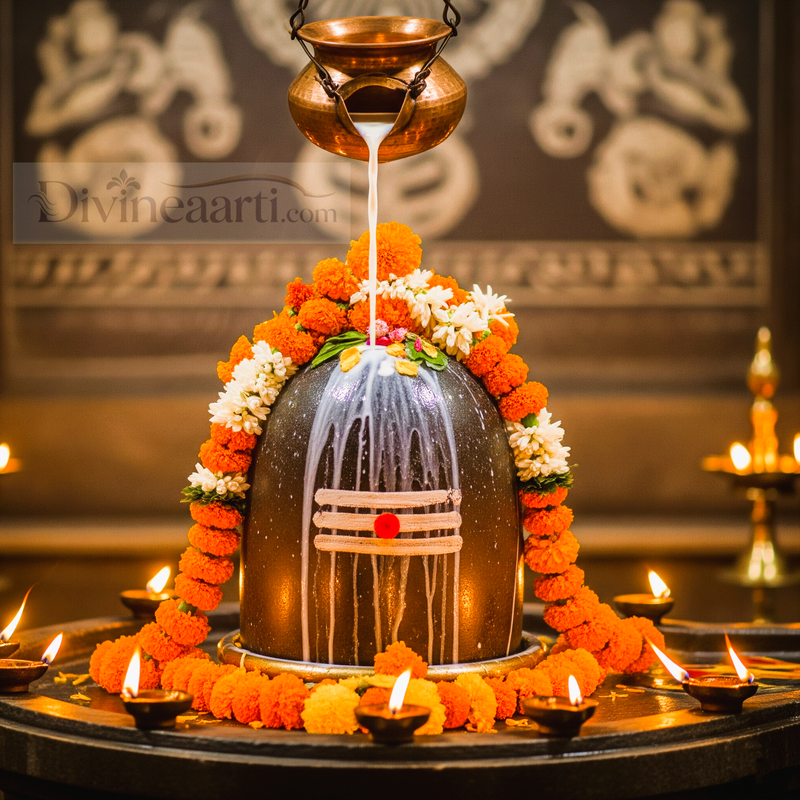
The Shri Lingashtakam beginning with "Brahmamurarisurarchitalingam" is one of the most popular and widely recited eight-verse hymns in Shaivism. This sacred composition glorifies the Shiva Lingam — the aniconic representation of Lord Shiva's cosmic energy — which is worshipped by Lord Brahma, Lord Vishnu (Murari), and all the Devas (Surarchita). The Lingam symbolizes the infinite nature of Shiva, beyond form and attributes.
The Lingashtakam holds deep philosophical significance as it describes the Shiva Lingam adorned with various sacred offerings, worshipped by the divine Trinity, and revered as the source of all creation. Each verse describes the Lingam with different attributes — decorated with divine fragrances, smeared with sacred paste, adorned with precious gems — while emphasizing that this formless symbol represents the ultimate reality beyond comprehension.
Reciting the Lingashtakam with devotion is believed to grant the same merit as worshipping the Shiva Lingam directly. It purifies the devotee's heart, removes the three types of suffering (adhyatmika, adhibhautika, adhidaivika), and ultimately leads to union with Lord Shiva. The hymn concludes with the promise that one who recites it near a Shiva Lingam attains the supreme abode of Shiva.
Watch Shri Lingashtakam
Shri Lingashtakam: Sanskrit & English Verses
॥ श्री लिङ्गाष्टकम् ॥

ब्रह्ममुरारिसुरार्चितलिङ्गं
निर्मलभासितशोभितलिङ्गम्।
जन्मजदुःखविनाशकलिङ्गं
तत् प्रणमामि सदाशिवलिङ्गम्॥1॥

देवमुनिप्रवरार्चितलिङ्गं
कामदहम्करुणाकर लिङ्गम्।
रावणदर्पविनाशनलिङ्गं
तत् प्रणमामि सदाशिव लिङ्गम्॥2॥

सर्वसुगन्धिसुलेपितलिङ्गं
बुद्धिविवर्धनकारणलिङ्गम्।
सिद्धसुरासुरवन्दितलिङ्गं
तत् प्रणमामि सदाशिव लिङ्गम्॥3॥

कनकमहामणिभूषितलिङ्गं
फणिपतिवेष्टित शोभित लिङ्गम्।
दक्षसुयज्ञविनाशन लिङ्गं
तत् प्रणमामि सदाशिव लिङ्गम्॥4॥

कुङ्कुमचन्दनलेपितलिङ्गं
पङ्कजहारसुशोभितलिङ्गम्।
सञ्चितपापविनाशनलिङ्गं
तत् प्रणमामि सदाशिव लिङ्गम्॥5॥

देवगणार्चित सेवितलिङ्गं
भावैर्भक्तिभिरेव च लिङ्गम्।
दिनकरकोटिप्रभाकरलिङ्गं
तत् प्रणमामि सदाशिव लिङ्गम्॥6॥

अष्टदलोपरिवेष्टितलिङ्गं
सर्वसमुद्भवकारणलिङ्गम्।
अष्टदरिद्रविनाशनलिङ्गं
तत् प्रणमामि सदाशिव लिङ्गम्॥7॥

सुरगुरुसुरवरपूजित लिङ्गं
सुरवनपुष्प सदार्चित लिङ्गम्।
परात्परं परमात्मक लिङ्गं
तत् प्रणमामि सदाशिव लिङ्गम्॥8॥

लिङ्गाष्टकमिदं पुण्यं यः
पठेत् शिवसन्निधौ।
शिवलोकमवाप्नोति
शिवेन सह मोदते॥9॥

॥ इति श्रीशिव लिङ्गाष्टकम् सम्पूर्णम् ॥
॥ Shri Lingashtakam ॥
BrahmamurarisurarchitalingamNirmalabhasitashobhitalingam।

JanmajaduhkhavinashakalingamTat Pranamami Sadashivalingam॥1॥

Devamunipravararchitalingam KamadahamKarunakara Lingam।

RavanadarpavinashanalingamTat Pranamami Sadashiva Lingam॥2॥

SarvasugandhisulepitalingamBuddhivivardhanakaranalingam।

SiddhasurasuravanditalingamTat Pranamami Sadashiva Lingam॥3॥

KanakamahamanibhushitalingamPhanipativeshtita Shobhita Lingam।

Dakshasuyajnavinashana LingamTat Pranamami Sadashiva Lingam॥4॥

KunkumachandanalepitalingamPankajaharasushobhitalingam।

SanchitapapavinashanalingamTat Pranamami Sadashiva Lingam॥5॥

Devaganarchita SevitalingamBhavairbhaktibhireva Cha Lingam।

DinakarakotiprabhakaralingamTat Pranamami Sadashiva Lingam॥6॥

AshtadalopariveshtitalingamSarvasamudbhavakaranalingam।

AshtadaridravinashanalingamTat Pranamami Sadashiva Lingam॥7॥

Suragurusuravarapujita LingamSuravanapushpa Sadarchita Lingam।

Paratparam Paramatmaka LingamTat Pranamami Sadashiva Lingam॥8॥

Lingashtakamidam Punyam YahPathet Shivasannidhau।

ShivalokamavapnotiShivena Saha Modate॥9॥

॥ Iti Shrishiva Lingashtakam Sampurnam ॥
॥ ஶ்ரீ லிங்காஷ்டகம் ॥
ப்ரஹ்மமுராரிஸுரார்சிதலிங்கம்நிர்மலபாஸிதஶோபிதலிங்கம்।
ஜன்மஜதுःகவிநாஶகலிங்கம்தத் ப்ரணமாமி ஸதாஶிவலிங்கம்॥1॥

தேவமுனிப்ரவரார்சிதலிங்கம் காமதஹம்கருணாகர லிங்கம்।
ராவணதர்பவிநாஶனலிங்கம்தத் ப்ரணமாமி ஸதாஶிவ லிங்கம்॥2॥

ஸர்வஸுகந்திஸுலேபிதலிங்கம்புத்திவிவர்தனகாரணலிங்கம்।
ஸித்தஸுராஸுரவந்திதலிங்கம்தத் ப்ரணமாமி ஸதாஶிவ லிங்கம்॥3॥

கனகமஹாமணிபூஷிதலிங்கம்பணிபதிவேஷ்டித ஶோபித லிங்கம்।
தக்ஷஸுயஜ்ஞவிநாஶன லிங்கம்தத் ப்ரணமாமி ஸதாஶிவ லிங்கம்॥4॥

குங்குமசந்தனலேபிதலிங்கம்பங்கஜஹாரஸுஶோபிதலிங்கம்।
ஸஞ்சிதபாபவிநாஶனலிங்கம்தத் ப்ரணமாமி ஸதாஶிவ லிங்கம்॥5॥

தேவகணார்சித ஸேவிதலிங்கம்பாவைர்பக்திபிரேவ ச லிங்கம்।
தினகரகோடிப்ரபாகரலிங்கம்தத் ப்ரணமாமி ஸதாஶிவ லிங்கம்॥6॥

அஷ்டதலோபரிவேஷ்டிதலிங்கம்ஸர்வஸமுத்பவகாரணலிங்கம்।
அஷ்டதரித்ரவிநாஶனலிங்கம்தத் ப்ரணமாமி ஸதாஶிவ லிங்கம்॥7॥

ஸுரகுருஸுரவரபூஜித லிங்கம்ஸுரவனபுஷ்ப ஸதார்சித லிங்கம்।
பராத்பரம் பரமாத்மக லிங்கம்தத் ப்ரணமாமி ஸதாஶிவ லிங்கம்॥8॥

லிங்காஷ்டகமிதம் புண்யம் யঃபடேத் ஶிவஸந்நிதௌ।
ஶிவலோகமவாப்னோதிஶிவேன ஸஹ மோததே॥9॥

॥ இதி ஶ்ரீஶிவ லிங்காஷ்டகம் ஸம்பூர்ணம் ॥
॥ శ్రీ లింగాష్టకం ॥

బ్రహ్మమురారిసురార్చితలింగం
నిర్మలభాసితశోభితలింగం।
జన్మజదుఃఖవినాశకలింగం
తత్ ప్రణమామి సదాశివలింగం॥1॥

దేవమునిప్రవరార్చితలింగం
కామదహంకరుణాకర లింగం।
రావణదర్పవినాశనలింగం
తత్ ప్రణమామి సదాశివ లింగం॥2॥

సర్వసుగంధిసులేపితలింగం
బుద్ధివివర్ధనకారణలింగం।
సిద్ధసురాసురవందితలింగం
తత్ ప్రణమామి సదాశివ లింగం॥3॥

కనకమహామణిభూషితలింగం
ఫణిపతివేష్టిత శోభిత లింగం।
దక్షసుయజ్ఞవినాశన లింగం
తత్ ప్రణమామి సదాశివ లింగం॥4॥

కుంకుమచందనలేపితలింగం
పంకజహారసుశోభితలింగం।
సంచితపాపవినాశనలింగం
తత్ ప్రణమామి సదాశివ లింగం॥5॥

దేవగణార్చిత సేవితలింగం
భావైర్భక్తిభిరేవ చ లింగం।
దినకరకోటిప్రభాకరలింగం
తత్ ప్రణమామి సదాశివ లింగం॥6॥

అష్టదలోపరివేష్టితలింగం
సర్వసముద్భవకారణలింగం।
అష్టదరిద్రవినాశనలింగం
తత్ ప్రణమామి సదాశివ లింగం॥7॥

సురగురుసురవరపూజిత లింగం
సురవనపుష్ప సదార్చిత లింగం।
పరాత్పరం పరమాత్మక లింగం
తత్ ప్రణమామి సదాశివ లింగం॥8॥

లింగాష్టకమిదం పుణ్యం యః
పఠేత్ శివసన్నిధౌ।
శివలోకమవాప్నోతి
శివేన సహ మోదతే॥9॥

॥ ఇతి శ్రీశివ లింగాష్టకం సంపూర్ణం ॥
Verse-by-Verse Meaning of Shri Lingashtakam
1 First Verse
जन्मजदुःखविनाशकलिङ्गं तत् प्रणमामि सदाशिवलिङ्गम्॥
2 Second Verse
रावणदर्पविनाशनलिङ्गं तत् प्रणमामि सदाशिव लिङ्गम्॥
3 Third Verse
सिद्धसुरासुरवन्दितलिङ्गं तत् प्रणमामि सदाशिव लिङ्गम्॥
4 Fourth Verse
दक्षसुयज्ञविनाशन लिङ्गं तत् प्रणमामि सदाशिव लिङ्गम्॥
5 Fifth Verse
सञ्चितपापविनाशनलिङ्गं तत् प्रणमामि सदाशिव लिङ्गम्॥
6 Sixth Verse
दिनकरकोटिप्रभाकरलिङ्गं तत् प्रणमामि सदाशिव लिङ्गम्॥
7 Seventh Verse
अष्टदरिद्रविनाशनलिङ्गं तत् प्रणमामि सदाशिव लिङ्गम्॥
8 Eighth Verse
परात्परं परमात्मक लिङ्गं तत् प्रणमामि सदाशिव लिङ्गम्॥
✦ Phala Shruti (Verse 9)
शिवलोकमवाप्नोति शिवेन सह मोदते॥
Spiritual Benefits of Reciting Shri Lingashtakam
- Supreme Merit: Grants spiritual merit equivalent to direct worship of the Shiva Lingam
- Removes Three Sufferings: Alleviates physical, material, and divine afflictions
- Purifies Heart: Cleanses the heart of all impurities and negative tendencies
- Grants Liberation: Leads the devotee to the supreme abode of Lord Shiva
- Divine Blessings: Invokes blessings of all deities who worship the Lingam
- Destroys Sins: Burns away accumulated sins from multiple lifetimes
- Spiritual Awakening: Awakens understanding of Shiva's formless infinite nature
- Cosmic Connection: Connects the devotee with the primordial energy of creation
Chanting Instructions
- Sit facing east or north in a clean, quiet place
- Light a diya (lamp) and incense before a Shiva Lingam or Lord Shiva's image
- Offer bilva leaves, water, milk, and white flowers to the Shiva Lingam
- Chant with pure devotion and clear pronunciation
- Ideal times: early morning, during Maha Shivaratri, or Mondays
- Recite 1, 3, or 11 times for maximum spiritual benefit
- Chanting near a Shiva Lingam multiplies the spiritual merit manifold
Frequently Asked Questions about Shri Lingashtakam
What is the Lingashtakam and who composed it?
The Shri Lingashtakam is an ancient eight-verse Sanskrit hymn glorifying the Shiva Lingam — the sacred aniconic form of Lord Shiva. While its exact authorship is debated, it is widely attributed to Adi Shankaracharya or the ancient Shaiva tradition. Beginning with "Brahmamurarisurarchitalingam," it is one of the most popular Shiva stotras recited across India.
What is the meaning of the refrain "Tat Pranamami Sadashiva Lingam"?
"Tat Praṇamāmi Sadāśiva Liṅgam" means "I bow to that Lingam of Sadashiva (the Eternal Auspicious One)." This refrain appears at the end of every verse, reinforcing the act of reverential surrender to the Shiva Lingam. "Sadāśiva" refers to the eternal, unchanging, and most auspicious aspect of Lord Shiva.
What does the Shiva Lingam symbolize?
The Shiva Lingam is not merely a physical form but represents the infinite, formless nature of Lord Shiva — the cosmic pillar of light without beginning or end. It symbolizes the union of Shiva (consciousness) and Shakti (energy), and represents the source of all creation. The Lingashtakam describes it as worshipped by Brahma, Vishnu, and all gods, signifying its supremacy as the ultimate reality (Paramatman).
When should one recite the Lingashtakam for maximum benefit?
The Lingashtakam yields maximum benefit when recited in the early morning after bathing, on Mondays (Shiva's sacred day), during the month of Shravan, and on Maha Shivaratri. Chanting it near a Shiva Lingam — as the Phala Shruti specifically states "Shivasannidhau" (in the presence of Shiva) — multiplies the spiritual merit manifold. It can also be recited during Pradosha Kala (evening twilight).
What are the spiritual benefits promised in the Phala Shruti?
The Phala Shruti (fruit-of-recitation verse) at the end promises that whoever recites this sacred Lingashtakam in the presence of Lord Shiva attains Shiva Loka (the divine abode of Lord Shiva) and rejoices eternally with Lord Shiva. This hymn is considered punya (meritorious), meaning it accumulates great spiritual merit for the reciter, leading ultimately to liberation (moksha).
How does the Lingashtakam reference the story of Ravana and Daksha?
Verse 2 mentions "Rāvaṇa-darpa-vināśana-liṅgam" — the Lingam that destroyed Ravana's pride. This refers to when Lord Shiva crushed Ravana under Mount Kailash for trying to uproot it. Verse 4 mentions "Dakṣa-su-yajña-vināśana-liṅgam" — the Lingam that destroyed Daksha's great sacrifice, referencing when Shiva's fury (in the form of Virabhadra) destroyed the yajña because Daksha had insulted Shiva and Sati.
Is the Lingashtakam available in Tamil?
Yes. This page includes the Lingashtakam in Tamil script alongside Sanskrit (Devanagari) and English transliteration, so devotees can read or chant in the script they are most comfortable with.