Complete Guide to Dakshina Kalika Stotram

Introduction to Dakshina Kalika Stotram
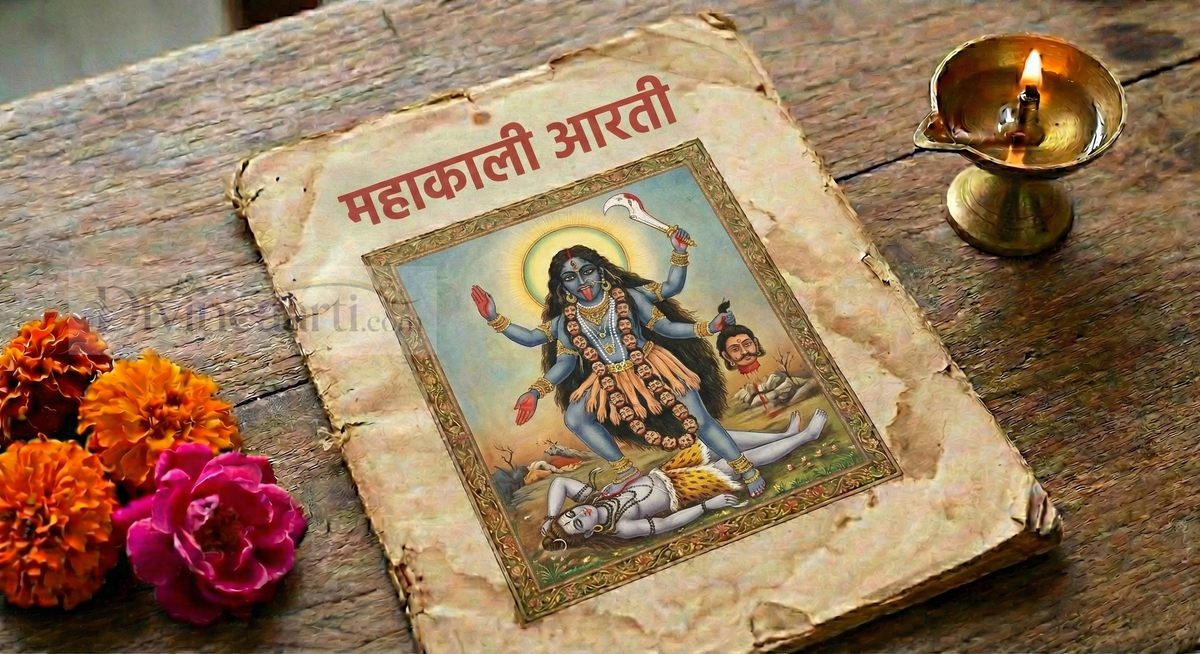
Dakshina Kalika Stotram - Goddess Kali - माँ महाकाली

Dakshina Kalika Stotram is a powerful hymn dedicated to Goddess Dakshina Kali — the benevolent and approachable form of the fierce Goddess Kali. Unlike the terrifying Smashan Kali, Dakshina Kali (facing south/right, symbolizing grace) represents the compassionate aspect of the dark Goddess who destroys evil, ego, and ignorance while bestowing spiritual liberation and divine wisdom.

Spiritual Significance of Dakshina Kalika Stotram

Dakshina Kali is the most widely worshipped form of Goddess Kali, especially in Bengal and eastern India. Her worship through this stotram channels her transformative power for the destruction of negative qualities within the devotee — ego, attachment, fear, and ignorance — while granting the supreme blessing of spiritual awakening and liberation (Moksha).

Dakshina Kalika Stotram Lyrics


॥ दक्षिण कालिका स्तोत्रम् ॥
ॐ कृशोदरि महाचण्डि मुक्तकेशि बलिप्रिये।

कुलाचारप्रसन्नास्ये नमस्ते शङ्करप्रिये॥1॥

घोरदंष्ट्रे कोटराक्षि गीतिशब्द-प्रसाधिनि।

घुरघोरारवास्फारे नमस्ते चित्तवासिनि॥2॥

बन्धूकपुष्प-सङ्काशे त्रिपुरे भयनाशिनि।

भाग्योदय-समुत्पन्ने नमस्ते वरवर्णिनि॥3॥

जय देवि जगद्धात्रि त्रिपुराद्ये त्रिदेवते।

भक्तेभ्यो वरदे देवि महिषघ्नि नमोऽस्तुते॥4॥

घोरविघ्न-विनाशाय कुलाचार-समृद्धये।

नमामि वरदे देवि मुण्डमाला-विभूषणे॥5॥

रक्तधारा-समाकीर्णे कलकाञ्ची-विभूषिते।

सर्वविघ्नहरे कालि नमस्ते भैरवप्रिये॥6॥

नमस्ते दक्षिणामूर्त्ते कालि त्रिपुरभैरवि।

भिन्नाञ्जन-चयप्रख्ये प्रवीण-शवसंस्थिते॥7॥

गलच्छोणित-धाराभिः स्मेरानन-सरोरुहे।

पीनोन्नत-कुचद्बन्द्वे नमस्ते घोरदक्षिणे॥8॥

आरक्तमुखशान्ताभिर्नेत्रालिभिर्विराजिते।

शवद्वय-कृतोत्तंसे नमस्ते मदविह्वले॥9॥

पञ्चाशन्मुण्ड-घटितमाला-लोहितलोहिते।

नानामणि-विशोभाढ्ये नमस्ते ब्रह्मसेविते॥10॥

शवास्थि-कृतकेयूरे शङ्ख-कङ्कण-मण्डिते।

शववक्षःसमारूढे नमस्ते विष्णुपूजिते॥11॥

शवमांसकृतग्रासे साट्टहासे मुहुर्मुहुः।

मुखशीघ्र-स्मितामोदे नमस्ते शिववन्दिते॥12॥

खड्गमुण्डधरे वामे सव्येऽभयवरप्रदे।

दन्तुरे च महारौद्रे नमस्ते चण्डनायिके॥13॥

त्वं गतिः परमा देवि त्वं माता परमेश्वरि।

त्राहि मां करुणासार्द्रे नमस्ते चण्डनायिके॥14॥

नमस्ते कालिके देवि नमस्ते भक्तवत्सले।

मूर्खतां हर मे देवि प्रतिभा-जयदायिनि॥15॥

गद्यपद्यमयीं वाणीं तर्क-व्याकरणादिकम्।

अनधीतागतां विद्यां देहि दक्षिणकालिके॥16॥

जयं देहि सभामध्ये धनं देहि धनागमे।

देहि मे चिरजीवित्वं कालिके रक्ष दक्षिणे॥17॥

राज्यं देहि यशो देहि पुत्रान् दारान् धनं तथा।

देहान्ते देहि मे मुक्तिं जगन्मातः प्रसीद मे॥18॥

ॐ मङ्गला भैरवी दुर्गा कालिका त्रिदशेश्वरी।

उमा हैमवती कन्या कल्याणी भैरवेश्वरी॥19॥

काली ब्राह्मी च माहेशी कौमारी वैष्णवी तथा।

वाराही वासवी चण्डी त्वां जगुर्मुनयः सदा॥20॥

उग्रतारेति तारेति शिवेत्येकजटेति च।

लोकोत्तरेति कालीति गीयसे कृतिभिः सदा॥21॥

यथा काली तथा तारा तथा छिन्ना च कुल्लुका।

एकमूर्त्तिश्चतुर्भेदा देवि त्वं कालिका पुरा॥22॥

एकद्वि-त्रिविधा देवी कोटिधानन्तरूपिणी।

अङ्गाङ्गिकैर्नामभेदैः कालिकेति प्रगीयते॥23॥

शम्भुः पञ्चमुखेनैव गुणान् वक्तुं न ते क्षमः।

चापल्यैर्यत्कृतं स्तोत्रं क्षमस्व वरदा भव॥24॥

प्राणान् रक्ष यशो रक्ष पुत्रान् दारान् धनं तथा।

सर्वकाले सर्वदेशे पाहि दक्षिणकालिके॥25॥

यः सम्पूज्य पठेत् स्तोत्रं दिवा वा रात्रिसन्ध्ययोः।

धनं धान्यं तथा पुत्रं लभते नात्र संशयः॥26॥

॥ इति दक्षिणकालिकास्तोत्रं सम्पूर्णम् ॥


॥ Dakshina Kalika Stotram ॥
Om Krishodari Mahachandi Muktakeshi Balipriye।

Kulacharaprasannasye Namaste Shankarapriye॥1॥

Ghoradamshtre Kotarakshi Gitishabda-Prasadhini।

Ghuraghoraravasphare Namaste Chittavasini॥2॥

Bandhukapushpa-Sankashe Tripure Bhayanashini।

Bhagyodaya-Samutpanne Namaste Varavarnini॥3॥

Jaya Devi Jagaddhatri Tripuradye Tridevate।

Bhaktebhyo Varade Devi Mahishaghni Namoastute॥4॥

Ghoravighna-Vinashaya Kulachara-Samriddhaye।

Namami Varade Devi Mundamala-Vibhushane॥5॥

Raktadhara-Samakirne Kalakanchi-Vibhushite।

Sarvavighnahare Kali Namaste Bhairavapriye॥6॥

Namaste Dakshinamurtte Kali Tripurabhairavi।

Bhinnanjana-Chayaprakhye Pravina-Shavasamsthite॥7॥

Galachchhonita-Dharabhih Smeranana-Saroruhe।

Pinonnata-Kuchadbandve Namaste Ghoradakshine॥8॥

Araktamukhashantabhirnetralibhirvirajite।

Shavadvaya-Kritottamse Namaste Madavihvale॥9॥

Panchashanmunda-Ghatitamala-Lohitalohite।

Nanamani-Vishobhadhye Namaste Brahmasevite॥10॥

Shavasthi-Kritakeyure Shankha-Kankana-Mandite।

Shavavakshahsamarudhe Namaste Vishnupujite॥11॥

Shavamamsakritagrase Sattahase Muhurmuhuh।

Mukhashighra-Smitamode Namaste Shivavandite॥12॥

Khadgamundadhare Vame Savyeabhayavaraprade।

Danture Cha Maharaudre Namaste Chandanayike॥13॥

Tvam Gatih Parama Devi Tvam Mata Parameshvari।

Trahi Mam Karunasardre Namaste Chandanayike॥14॥

Namaste Kalike Devi Namaste Bhaktavatsale।

Murkhatam Hara Me Devi Pratibha-Jayadayini॥15॥

Gadyapadyamayim Vanim Tarka-Vyakaranadikam।

Anadhitagatam Vidyam Dehi Dakshinakalike॥16॥

Jayam Dehi Sabhamadhye Dhanam Dehi Dhanagame।

Dehi Me Chirajivitvam Kalike Raksha Dakshine॥17॥

Rajyam Dehi Yasho Dehi Putran Daran Dhanam Tatha।

Dehante Dehi Me Muktim Jaganmatah Prasida Me॥18॥

Om Mangala Bhairavi Durga Kalika Tridasheshvari।

Uma Haimavati Kanya Kalyani Bhairaveshvari॥19॥

Kali Brahmi Cha Maheshi Kaumari Vaishnavi Tatha।

Varahi Vasavi Chandi Tvam Jagurmunayah Sada॥20॥

Ugratareti Tareti Shivetyekajateti Cha।

Lokottareti Kaliti Giyase Kritibhih Sada॥21॥

Yatha Kali Tatha Tara Tatha Chhinna Cha Kulluka।

Ekamurttishchaturbheda Devi Tvam Kalika Pura॥22॥

Ekadvi-Trividha Devi Kotidhanantarupini।

Angangikairnamabhedaih Kaliketi Pragiyate॥23॥

Shambhuh Panchamukhenaiva Gunan Vaktum Na Te Kshamah।

Chapalyairyatkritam Stotram Kshamasva Varada Bhava॥24॥

Pranan Raksha Yasho Raksha Putran Daran Dhanam Tatha।

Sarvakale Sarvadeshe Pahi Dakshinakalike॥25॥

Yah Sampujya Pathet Stotram Diva Va Ratrisandhyayoh।

Dhanam Dhanyam Tatha Putram Labhate Natra Samshayah॥26॥

Iti Dakshinakalikastotram Sampurnam॥27॥

॥ Iti Dakshinakalikastotram Sampurnam ॥


Verse-by-Verse Meaning of Dakshina Kalika Stotram

1 First Verse

ॐ कृशोदरि महाचण्डि मुक्तकेशि बलिप्रिये।
कुलाचारप्रसन्नास्ये नमस्ते शङ्करप्रिये॥
Word Meanings: कृशोदरि (Krishodari) = O slender-waisted one; महाचण्डि (Mahachandi) = O great fierce one; मुक्तकेशि (Muktakeshi) = O one with loose/unbound hair; बलिप्रिये (Balipriye) = O one fond of offerings; कुलाचारप्रसन्नास्ये (Kulacharaprasannasye) = whose face is pleased by the Kula tradition; नमस्ते (Namaste) = salutations to You; शङ्करप्रिये (Shankarapriye) = O beloved of Shankara
Translation: Om! O slender-waisted, O great fierce one, O one with unbound hair, fond of offerings, whose face is pleased by the Kula tradition — salutations to You, O beloved of Shankara!

2 Second Verse

घोरदंष्ट्रे कोटराक्षि गीतिशब्द-प्रसाधिनि।
घुरघोरारवास्फारे नमस्ते चित्तवासिनि॥
Word Meanings: घोरदंष्ट्रे (Ghoradamshtre) = O one with terrible fangs; कोटराक्षि (Kotarakshi) = O hollow-eyed one; गीतिशब्दप्रसाधिनि (Gitishabdaprasadhini) = O one pleased by music and sound; घुरघोरारवास्फारे (Ghuraghooraaavaasphare) = O one whose terrifying roar reverberates; नमस्ते (Namaste) = salutations; चित्तवासिनि (Chittavasini) = O one who dwells in the mind
Translation: O one with terrible fangs, hollow-eyed, pleased by music and sound, whose terrifying roar reverberates — salutations to You, O dweller in the mind!

3 Third Verse

बन्धूकपुष्प-सङ्काशे त्रिपुरे भयनाशिनि।
भाग्योदय-समुत्पन्ने नमस्ते वरवर्णिनि॥
Word Meanings: बन्धूकपुष्पसङ्काशे (Bandhukpushpasankashe) = resembling the Bandhuka flower (red); त्रिपुरे (Tripure) = O goddess of the three cities/worlds; भयनाशिनि (Bhayanashini) = O destroyer of fear; भाग्योदयसमुत्पन्ने (Bhagyodayasamutpanne) = born from the rise of good fortune; नमस्ते (Namaste) = salutations; वरवर्णिनि (Varavarnini) = O one of beautiful complexion
Translation: O one resembling the red Bandhuka flower, O Tripura, destroyer of fear, born from the rise of good fortune — salutations to You, O one of beautiful complexion!

4 Fourth Verse

जय देवि जगद्धात्रि त्रिपुराद्ये त्रिदेवते।
भक्तेभ्यो वरदे देवि महिषघ्नि नमोऽस्तुते॥
Word Meanings: जय (Jaya) = victory to; देवि (Devi) = O Goddess; जगद्धात्रि (Jagaddhatri) = O sustainer of the world; त्रिपुराद्ये (Tripuradye) = O primordial Tripura; त्रिदेवते (Tridevate) = O triple goddess; भक्तेभ्यः (Bhaktebhyah) = to devotees; वरदे (Varade) = O boon-granter; महिषघ्नि (Mahishghni) = O slayer of the buffalo demon; नमोऽस्तुते (Namostute) = salutations to You
Translation: Victory to You, O Goddess, sustainer of the world, primordial Tripura, triple deity! O boon-granter to devotees, O slayer of the buffalo demon — salutations to You!

5 Fifth Verse

घोरविघ्न-विनाशाय कुलाचार-समृद्धये।
नमामि वरदे देवि मुण्डमाला-विभूषणे॥
Word Meanings: घोरविघ्नविनाशाय (Ghoravighnavinashaya) = for the destruction of terrible obstacles; कुलाचारसमृद्धये (Kulacharasamriddhaye) = for the prosperity of the Kula tradition; नमामि (Namami) = I bow; वरदे (Varade) = O boon-granter; मुण्डमालाविभूषणे (Mundamalavibbhushane) = O one adorned with a garland of skulls
Translation: For the destruction of terrible obstacles and for the prosperity of the Kula tradition, I bow to You, O boon-granting Goddess, adorned with a garland of skulls!

6 Sixth Verse

रक्तधारा-समाकीर्णे कलकाञ्ची-विभूषिते।
सर्वविघ्नहरे कालि नमस्ते भैरवप्रिये॥
Word Meanings: रक्तधारासमाकीर्णे (Raktadharasamakirne) = covered with streams of blood; कलकाञ्चीविभूषिते (Kalakanchivibhushite) = adorned with a tinkling waist-belt; सर्वविघ्नहरे (Sarvavighnahare) = O remover of all obstacles; कालि (Kali) = O Kali; भैरवप्रिये (Bhairavapriye) = O beloved of Bhairava
Translation: O one bathed in streams of blood, adorned with a tinkling waist-belt, remover of all obstacles, O Kali — salutations to You, O beloved of Bhairava!

7 Seventh Verse

नमस्ते दक्षिणामूर्त्ते कालि त्रिपुरभैरवि।
भिन्नाञ्जन-चयप्रख्ये प्रवीण-शवसंस्थिते॥
Word Meanings: दक्षिणामूर्ते (Dakshinamurte) = O Dakshina (south-facing) form; कालि (Kali) = O Kali; त्रिपुरभैरवि (Tripurabhairavi) = O Tripura Bhairavi; भिन्नाञ्जनचयप्रख्ये (Bhinnaanjanachayaprakhye) = resembling a mass of broken collyrium (dark); प्रवीणशवसंस्थिते (Pravinashavasamshthite) = skillfully seated upon a corpse
Translation: Salutations O Dakshina-facing Kali, O Tripura Bhairavi! Dark as a mass of broken collyrium, skillfully seated upon a corpse!

8 Eighth Verse

गलच्छोणित-धाराभिः स्मेरानन-सरोरुहे।
पीनोन्नत-कुचद्बन्द्वे नमस्ते घोरदक्षिणे॥
Word Meanings: गलच्छोणितधाराभिः (Galachchhonitadharabhih) = with streams of blood dripping; स्मेराननसरोरुहे (Smerananaororuhe) = whose lotus face is smiling; पीनोन्नतकुचद्वन्द्वे (Pinonnatakuchadvandve) = with full and uplifted breasts; नमस्ते (Namaste) = salutations; घोरदक्षिणे (Ghoradakshine) = O fierce Dakshina (Kali)
Translation: With streams of blood dripping, yet a smiling lotus face, with full and uplifted breasts — salutations to You, O fierce Dakshina Kali!

9 Ninth Verse

आरक्तमुखशान्ताभिर्नेत्रालिभिर्विराजिते।
शवद्वय-कृतोत्तंसे नमस्ते मदविह्वले॥
Word Meanings: आरक्तमुखशान्ताभिः (Araktamukhashantabhih) = with reddish and peaceful; नेत्रालिभिः (Netralibhih) = rows of eyes; विराजिते (Virajite) = resplendent; शवद्वयकृतोत्तंसे (Shavadvayakritottamse) = wearing two corpses as ear-ornaments; नमस्ते (Namaste) = salutations; मदविह्वले (Madavihvale) = O one intoxicated/ecstatic
Translation: Resplendent with reddish, peaceful rows of eyes, wearing two corpses as ear-ornaments — salutations to You, O ecstatic one!

10 Tenth Verse

पञ्चाशन्मुण्ड-घटितमाला-लोहितलोहिते।
नानामणि-विशोभाढ्ये नमस्ते ब्रह्मसेविते॥
Word Meanings: पञ्चाशन्मुण्डघटितमाला (Panchashanmundaghatitamala) = with a garland strung with fifty skulls; लोहितलोहिते (Lohitalohite) = red with blood; नानामणिविशोभाढ्ये (Nanamanirishobhadhye) = resplendent with various gems; ब्रह्मसेविते (Brahmasevite) = O one served/worshipped by Brahma
Translation: Wearing a garland of fifty skulls, red with blood, resplendent with various gems — salutations to You, O one worshipped by Brahma!

11 Eleventh Verse

शवास्थि-कृतकेयूरे शङ्ख-कङ्कण-मण्डिते।
शववक्षःसमारूढे नमस्ते विष्णुपूजिते॥
Word Meanings: शवास्थिकृतकेयूरे (Shavasthikritakeyure) = with armlets made of corpse-bones; शङ्खकङ्कणमण्डिते (Shankhakankanaandite) = adorned with conch-shell bangles; शववक्षःसमारूढे (Shavavakshasamarudhe) = mounted upon the chest of a corpse (Shiva); विष्णुपूजिते (Vishnupujite) = O one worshipped by Vishnu
Translation: With armlets of corpse-bones, adorned with conch-shell bangles, mounted upon the chest of a corpse — salutations to You, O one worshipped by Vishnu!

12 Twelfth Verse

शवमांसकृतग्रासे साट्टहासे मुहुर्मुहुः।
मुखशीघ्र-स्मितामोदे नमस्ते शिववन्दिते॥
Word Meanings: शवमांसकृतग्रासे (Shavamsakritagrase) = eating morsels of corpse-flesh; साट्टहासे (Sattahase) = with a loud, thunderous laughter; मुहुर्मुहुः (Muhurmuhu) = again and again; मुखशीघ्रस्मितामोदे (Mukhashighrasmitamod) = with a quick joyful smile on the face; शिववन्दिते (Shivavandite) = O one revered by Shiva
Translation: Eating morsels of corpse-flesh, laughing thunderously again and again, with a quick joyful smile on Your face — salutations to You, O one revered by Shiva!

13 Thirteenth Verse

खड्गमुण्डधरे वामे सव्येऽभयवरप्रदे।
दन्तुरे च महारौद्रे नमस्ते चण्डनायिके॥
Word Meanings: खड्गमुण्डधरे (Khadgamundadhare) = holding a sword and severed head; वामे (Vame) = in the left (hands); सव्ये (Savye) = in the right (hands); अभयवरप्रदे (Abhayavaraprade) = granting fearlessness and boons; दन्तुरे (Danture) = with protruding teeth; महारौद्रे (Maharaudre) = O greatly fierce one; चण्डनायिके (Chandanayike) = O leader of Chandi
Translation: Holding a sword and severed head in the left hands, granting fearlessness and boons with the right — with protruding teeth, greatly fierce — salutations to You, O leader of the fierce ones!

14 Fourteenth Verse

त्वं गतिः परमा देवि त्वं माता परमेश्वरि।
त्राहि मां करुणासार्द्रे नमस्ते चण्डनायिके॥
Word Meanings: त्वम् (Tvam) = You; गतिः (Gatih) = the refuge; परमा (Parama) = the supreme; माता (Mata) = Mother; परमेश्वरि (Parameshvari) = O supreme Goddess; त्राहि (Trahi) = protect; माम् (Mam) = me; करुणासार्द्रे (Karunasardre) = O one moist with compassion; चण्डनायिके (Chandanayike) = O leader of the fierce ones
Translation: You are the supreme refuge, O Goddess! You are the supreme Mother! Protect me, O compassionate one — salutations to You, O leader of the fierce ones!

15 Fifteenth Verse

नमस्ते कालिके देवि नमस्ते भक्तवत्सले।
मूर्खतां हर मे देवि प्रतिभा-जयदायिनि॥
Word Meanings: कालिके (Kalike) = O Kalika; भक्तवत्सले (Bhaktavatsale) = O lover of devotees; मूर्खताम् (Murkhatam) = foolishness/ignorance; हर (Hara) = remove; प्रतिभाजयदायिनि (Pratibhaajayadayini) = O bestower of victory through brilliance/talent
Translation: Salutations to You, O Kalika! Salutations, O lover of devotees! Remove my foolishness, O Goddess, O bestower of victory through brilliance!

16 Sixteenth Verse

गद्यपद्यमयीं वाणीं तर्क-व्याकरणादिकम्।
अनधीतागतां विद्यां देहि दक्षिणकालिके॥
Word Meanings: गद्यपद्यमयीम् (Gadyapadyamayim) = consisting of prose and poetry; वाणीम् (Vanim) = speech; तर्कव्याकरणादिकम् (Tarkavyakaranadikam) = logic, grammar, and other (sciences); अनधीतागताम् (Anadhitagatam) = without having studied (i.e., spontaneous knowledge); विद्याम् (Vidyam) = knowledge; देहि (Dehi) = give; दक्षिणकालिके (Dakshinakalike) = O Dakshina Kalika
Translation: Grant me speech of prose and poetry, logic, grammar, and other sciences — knowledge that comes without formal study — O Dakshina Kalika!

17 Seventeenth Verse

जयं देहि सभामध्ये धनं देहि धनागमे।
देहि मे चिरजीवित्वं कालिके रक्ष दक्षिणे॥
Word Meanings: जयम् (Jayam) = victory; देहि (Dehi) = give; सभामध्ये (Sabhamadhaye) = in the midst of an assembly; धनम् (Dhanam) = wealth; धनागमे (Dhanagame) = in the acquisition of wealth; चिरजीवित्वम् (Chirajivitvam) = long life; कालिके (Kalike) = O Kalika; रक्ष (Raksha) = protect; दक्षिणे (Dakshine) = O Dakshina
Translation: Give me victory in assemblies, wealth in acquisition, long life — O Kalika, O Dakshina, protect me!

18 Eighteenth Verse

राज्यं देहि यशो देहि पुत्रान् दारान् धनं तथा।
देहान्ते देहि मे मुक्तिं जगन्मातः प्रसीद मे॥
Word Meanings: राज्यम् (Rajyam) = kingdom; यशः (Yashah) = fame; पुत्रान् (Putran) = sons; दारान् (Daran) = wife; धनम् (Dhanam) = wealth; देहान्ते (Dehante) = at the end of the body (at death); मुक्तिम् (Muktim) = liberation; जगन्मातः (Jaganmatah) = O Mother of the universe; प्रसीद (Prasida) = be pleased
Translation: Grant me kingdom, fame, sons, wife, and wealth. At the end of my body (at death), grant me liberation — O Mother of the universe, be pleased with me!

19 Nama Verse — Names of the Goddess (Verse 19)

ॐ मङ्गला भैरवी दुर्गा कालिका त्रिदशेश्वरी।
उमा हैमवती कन्या कल्याणी भैरवेश्वरी॥
Word Meanings: मङ्गला (Mangala) = the auspicious one; भैरवी (Bhairavi) = Bhairavi; दुर्गा (Durga) = Durga; कालिका (Kalika) = Kalika; त्रिदशेश्वरी (Tridasheshvari) = the queen of the thirty (gods); उमा (Uma) = Uma; हैमवती (Haimavati) = daughter of Himavan; कन्या (Kanya) = the maiden; कल्याणी (Kalyani) = the auspicious; भैरवेश्वरी (Bhairaveshvari) = the goddess of Bhairava
Translation: Om! Mangala, Bhairavi, Durga, Kalika, Queen of the gods, Uma, Haimavati, the Maiden, Kalyani, Bhairaveshwari (— these are Your names).

20 Nama Verse — Names of the Goddess (Verse 20)

काली ब्राह्मी च माहेशी कौमारी वैष्णवी तथा।
वाराही वासवी चण्डी त्वां जगुर्मुनयः सदा॥
Word Meanings: काली (Kali) = Kali; ब्राह्मी (Brahmi) = Brahmi (Shakti of Brahma); माहेशी (Maheshi) = Maheshi (Shakti of Maheshvara); कौमारी (Kaumari) = Kaumari (Shakti of Kumara); वैष्णवी (Vaishnavi) = Vaishnavi (Shakti of Vishnu); वाराही (Varahi) = Varahi; वासवी (Vasavi) = Vasavi (Shakti of Indra); चण्डी (Chandi) = Chandi; जगुः (Jaguh) = sang/praised; मुनयः (Munayah) = sages; सदा (Sada) = always
Translation: Kali, Brahmi, Maheshi, Kaumari, Vaishnavi, Varahi, Vasavi, Chandi — thus the sages have always praised You.

21 Nama Verse — Names of the Goddess (Verse 21)

उग्रतारेति तारेति शिवेत्येकजटेति च।
लोकोत्तरेति कालीति गीयसे कृतिभिः सदा॥
Word Meanings: उग्रतारा (Ugratara) = Ugra Tara; तारा (Tara) = Tara; शिवा (Shiva) = Shiva (the benign); एकजटा (Ekajata) = Ekajata (single-braided); लोकोत्तरा (Lokottara) = the transcendent; कालीति (Kaaliti) = as Kali; गीयसे (Giyase) = You are sung; कृतिभिः (Kritibhih) = by learned/wise ones; सदा (Sada) = always
Translation: As Ugra Tara, Tara, Shiva, Ekajata, the Transcendent, and Kali — You are always praised by the learned.

22 Twenty-Second Verse

यथा काली तथा तारा तथा छिन्ना च कुल्लुका।
एकमूर्त्तिश्चतुर्भेदा देवि त्वं कालिका पुरा॥
Word Meanings: यथा (Yatha) = just as; काली (Kali) = Kali; तथा (Tatha) = so also; तारा (Tara) = Tara; छिन्ना (Chhinna) = Chinnamasta; कुल्लुका (Kullaka) = and Kulluka (a form); एकमूर्तिः (Ekamurtih) = one form; चतुर्भेदा (Chaturbheda) = with fourfold divisions; पुरा (Pura) = originally/of old
Translation: Just as Kali, so Tara, Chinnamasta, and Kulluka — You are one form with fourfold divisions, O Goddess, You are Kalika from the beginning.

23 Twenty-Third Verse

एकद्वि-त्रिविधा देवी कोटिधानन्तरूपिणी।
अङ्गाङ्गिकैर्नामभेदैः कालिकेति प्रगीयते॥
Word Meanings: एकद्वित्रिविधा (Ekadvitividha) = of one, two, three forms; कोटिधा (Kotidha) = in crores (millions); अनन्तरूपिणी (Anantarupini) = of infinite forms; अङ्गाङ्गिकैः (Angangikaih) = by subsidiary and principal; नामभेदैः (Namabhedaih) = by differences in names; कालिका (Kalika) = Kalika; प्रगीयते (Pragiyate) = is praised
Translation: Of one, two, and threefold forms — of millions and infinite forms — by subsidiary and principal names, She is praised as Kalika.

24 Kshama Prarthana — Prayer for Forgiveness (Verse 24)

शम्भुः पञ्चमुखेनैव गुणान् वक्तुं न ते क्षमः।
चापल्यैर्यत्कृतं स्तोत्रं क्षमस्व वरदा भव॥
Word Meanings: शम्भुः (Shambhuh) = Shambhu (Shiva); पञ्चमुखेन (Panchamukhena) = with five faces; एव (Eva) = even; गुणान् (Gunan) = qualities; वक्तुम् (Vaktum) = to speak; न क्षमः (Na kshamah) = is not able; चापल्यैः (Chapalyaih) = with impudence/restlessness; यत् (Yat) = whatever; कृतम् (Kritam) = was composed; क्षमस्व (Kshamasva) = forgive; वरदा (Varada) = boon-granter; भव (Bhava) = be
Translation: Even Shambhu (Shiva) with His five faces is unable to describe Your qualities. Whatever has been composed with restlessness — forgive it, and be the boon-granter!

25 Raksha Prarthana — Prayer for Protection (Verse 25)

प्राणान् रक्ष यशो रक्ष पुत्रान् दारान् धनं तथा।
सर्वकाले सर्वदेशे पाहि दक्षिणकालिके॥
Word Meanings: प्राणान् (Pranan) = life-breath; रक्ष (Raksha) = protect; यशः (Yashah) = fame; पुत्रान् (Putran) = sons; दारान् (Daran) = wife; धनम् (Dhanam) = wealth; सर्वकाले (Sarvakale) = at all times; सर्वदेशे (Sarvadeshe) = in all places; पाहि (Pahi) = protect; दक्षिणकालिके (Dakshinakalike) = O Dakshina Kalika
Translation: Protect my life, protect my fame, sons, wife, and wealth — at all times and in all places, protect me, O Dakshina Kalika!

✦ Phala Shruti (Verse 26)

यः सम्पूज्य पठेत् स्तोत्रं दिवा वा रात्रिसन्ध्ययोः।
धनं धान्यं तथा पुत्रं लभते नात्र संशयः॥
Word Meanings: यः (Yah) = whoever; सम्पूज्य (Sampujya) = having properly worshipped; पठेत् (Pathet) = recites; स्तोत्रम् (Stotram) = this hymn; दिवा (Diva) = during the day; रात्रिसन्ध्ययोः (Ratrisandhyayoh) = at the evening twilight; धनम् (Dhanam) = wealth; धान्यम् (Dhanyam) = grain; पुत्रम् (Putram) = a son; लभते (Labhate) = obtains; न अत्र संशयः (Na atra samshayah) = there is no doubt in this
Translation: Whoever, having properly worshipped, recites this hymn during the day or at the evening twilight — they obtain wealth, grain, and sons. There is no doubt about this.

Spiritual Benefits of Reciting Dakshina Kalika Stotram

Spiritual Growth

  • Divine Grace: Attracts the special blessings and protection of Goddess Kali
  • Inner Peace: Brings tranquility and contentment to the mind
  • Positive Energy: Develops an attitude of gratitude and spiritual awareness
  • Spiritual Progress: Enhances devotion and deepens spiritual understanding

Material and Worldly Benefits

  • Obstacle Removal: Clears impediments from the path of progress
  • Success: Enhances success in academic, professional, and personal endeavors
  • Protection: Provides divine protection from negative forces and energies
  • Family Harmony: Promotes peace and understanding among family members

Health and Well-being

  • Mental Clarity: Enhances focus, concentration, and decision-making
  • Stress Relief: Reduces anxiety and promotes emotional balance
  • Physical Vitality: Supports overall health and well-being
  • Karmic Purification: Helps dissolve accumulated negative karma

How to Chant Dakshina Kalika Stotram: Complete Guide

Preparation for Chanting

  1. Personal Cleanliness: Take a bath and wear clean clothes
  2. Sacred Space: Sit in a clean, quiet place facing east or north
  3. Deity Image: Place an image or idol of Goddess Kali before you
  4. Light a Lamp: Light a ghee or sesame oil lamp for auspiciousness
  5. Mental Preparation: Calm the mind with a few minutes of deep breathing

Step-by-Step Chanting Process

  1. Invocation: Begin with a brief prayer to Goddess Kali
  2. Sankalpa: State your intention (spiritual growth, protection, or specific purpose)
  3. Recitation: Chant the stotram with clear pronunciation and devotional feeling
  4. Meditation: After chanting, sit quietly and meditate on the deity's form
  5. Prayer: Offer your heartfelt prayers and express gratitude

Important Guidelines

  • Maintain regularity — daily practice yields the best results
  • Chant with genuine devotion rather than mere mechanical repetition
  • Try to understand the meaning of the verses for deeper spiritual impact
  • Maintain a vegetarian diet on days of special devotion
  • Share the merit of your practice by praying for the welfare of all beings

Best Times to Recite Dakshina Kalika Stotram

Daily Practice

  • Early Morning: Brahma Muhurta (4:00 - 6:00 AM) for maximum spiritual benefit
  • Evening: During sunset (Sandhya Kaal) for divine blessings
  • Before Sleep: For peaceful rest and divine protection through the night

Special Occasions

  • Festival Days: During festivals associated with Goddess Kali
  • Ekadashi: Auspicious for spiritual practices and vrat observances
  • Purnima (Full Moon): Enhanced spiritual energy for meditation and chanting
  • Amavasya (New Moon): For removal of negative influences and karmic cleansing

Frequently Asked Questions about Dakshina Kalika Stotram

What is the Dakshina Kalika Stotram?

The Dakshina Kalika Stotram (दक्षिण कालिका स्तोत्रम्) is a powerful hymn dedicated to Goddess Dakshina Kali — the benevolent, south-facing form of Goddess Kali. 'Dakshina' means south (the direction She faces) or grace/skill. Unlike the fierce Smashan (cremation ground) Kali, Dakshina Kali is the compassionate Mother who grants blessings while standing on Lord Shiva's chest. This stotram invokes her protective grace and transformative power.

Who is Dakshina Kali?

Dakshina Kali is the most widely worshipped form of Goddess Kali, especially in Bengal and Eastern India. She is depicted as a dark-complexioned goddess standing on Lord Shiva, with four arms — carrying a sword, severed demon head, and showing abhaya (fearlessness) and varada (blessing) mudras. Her extended tongue represents Her shock at stepping on Shiva. She is the Divine Mother who destroys evil while being infinitely compassionate to Her children. The Dakshineswar Kali Temple near Kolkata, famously associated with Sri Ramakrishna, is Her most celebrated shrine.

When should one recite the Dakshina Kalika Stotram?

This stotram is most powerful during Kali Puja (Diwali night in Bengal), on Amavasya (new moon), Tuesdays and Saturdays, during Navaratri (especially the 7th night — Kalaratri), and at midnight. It is particularly effective during the dark fortnight (Krishna Paksha) and at special Kali worship times. Many devotees recite it after midnight during specific sadhana practices. Tuesdays are especially sacred for Kali worship.

What are the benefits of chanting the Dakshina Kalika Stotram?

The stotram grants Kali's fierce protection against all evil forces, destroys enemies and obstacles, removes deep-seated fears, and bestows fearlessness and courage. Kali worship is particularly effective for overcoming addiction, negative habits, ego, and psychological darkness. She grants both material success and spiritual liberation. As the most compassionate form of Kali, Dakshina Kali's devotees experience Her as an infinitely loving Mother rather than a fearsome deity.

What is the philosophical significance of Goddess Kali?

Goddess Kali represents Kala (Time) — the ultimate power that devours all creation. Her dark color symbolizes the infinite void from which everything emerges and into which everything returns. Her garland of skulls represents the alphabets (varnamala) — i.e., all knowledge. Her standing on Shiva symbolizes Shakti (energy) activating Shava (inert consciousness). In Tantric philosophy, Kali is the Supreme Reality — both terrifying and infinitely compassionate, destroying illusion to reveal the bliss of absolute truth.