
Complete Guide to Annapurna Mata Stotram
Introduction to Annapurna Mata Stotram
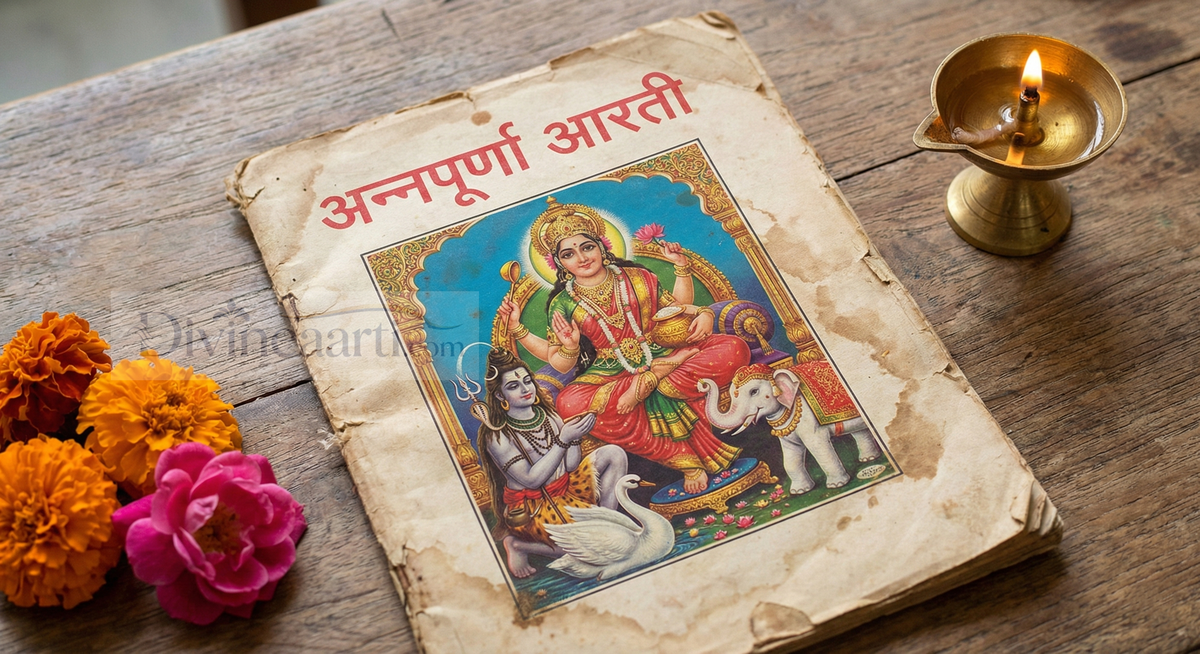
Annapurna Mata Stotram is a devotional hymn dedicated to Goddess Annapurna — the divine Mother who provides food and nourishment (Anna = food, Purna = complete/full) to all beings. Composed by Adi Shankaracharya, this stotram celebrates the Goddess who ensures that no being goes hungry and who sustains the entire universe through her boundless generosity.
Spiritual Significance of Annapurna Mata Stotram
Goddess Annapurna represents the fundamental truth that food is the basis of all life. In Hindu philosophy, feeding others is considered the highest form of charity (Anna Daan). This stotram reminds devotees of the sacred nature of food and invokes the Goddess's blessings for perpetual sustenance and the noble spirit of sharing food with the hungry.
Annapurna Mata Stotram Lyrics
॥ अन्नपूर्णा माता स्तोत्रम् ॥
नित्यानन्दकरी वराभयकरी सौन्दर्यरत्नाकरी

निर्धूताखिलघोरपावनकरी प्रत्यक्षमाहेश्वरी।

प्रालेयाचलवंशपावनकरी काशीपुराधीश्वरी

भिक्षां देहि कृपावलम्बनकरी मातान्नपूर्णेश्वरी॥1॥

नानारत्नविचित्रभूषणकरी हेमाम्बराडम्बरी

मुक्ताहारविलम्बमान-विलसद्वक्षोजकुम्भान्तरी।

काश्मीरागरुवासिताङ्गरुचिरे काशीपुराधीश्वर

भिक्षां देहि कृपावलम्बनकरी मातान्नपूर्णेश्वरी॥2॥

योगानन्दकरी रिपुक्षयकरी धर्मार्थनिष्ठाकरी

चन्द्रार्कानलभासमानलहरी त्रैलोक्यरक्षाकरी।

सर्वैश्वर्यसमस्तवाञ्छितकरी काशीपुराधीश्वरी

भिक्षां देहि कृपावलम्बनकरी मातान्नपूर्णेश्वरी॥3॥

कैलासाचलकन्दरालयकरी गौरी उमा शङ्करी

कौमारी निगमार्थगोचरकरी ओङ्कारबीजाक्षरी।

मोक्षद्वारकपाटपाटनकरी काशीपुराधीश्वरी

भिक्षां देहि कृपावलम्बनकरी मातान्नपूर्णेश्वरी॥4॥

दृश्यादृश्यविभूतिवाहनकरी ब्रह्माण्डभाण्डोदरी

लीलानाटकसूत्रभेदनकरी विज्ञानदीपाङ्कुरी।

श्रीविश्वेशमनःप्रसादनकरी काशीपुराधीश्वरी

भिक्षां देहि कृपावलम्बनकरी मातान्नपूर्णेश्वरी॥5॥

उर्वीसर्वजनेश्वरी भगवती मातान्नपूर्णेश्वरी

वेणीनीलसमानकुन्तलहरी नित्यान्नदानेश्वरी।

सर्वानन्दकरी सदा शुभकरी काशीपुराधीश्वरी

भिक्षां देहि कृपावलम्बनकरी मातान्नपूर्णेश्वरी॥6॥

आदिक्षान्तसमस्तवर्णनकरी शम्भोस्त्रिभावाकरी

काश्मीरात्रिजलेश्वरी त्रिलहरी नित्याङ्करा शर्वरी।

कामाकाङ्क्षकरी जनोदयकरी काशीपुराधीश्वरी

भिक्षां देहि कृपावलम्बनकरी मातान्नपूर्णेश्वरी॥7॥

देवी सर्वविचित्ररत्नरचिता दाक्षायणी सुन्दरी

वामं स्वादुपयोधरप्रियकरी सौभाग्यमाहेश्वरी।

भक्ताभीष्टकरी सदा शुभकरी काशीपुराधीश्वरी

भिक्षां देहि कृपावलम्बनकरी मातान्नपूर्णेश्वरी॥8॥

चन्द्रार्कानलकोटिकोटिसदृशा चन्द्रांशुबिम्बाधरी

चन्द्रार्काग्निसमानकुन्तलधरी चन्द्रार्कवर्णेश्वरी।

मालापुस्तकपाशसाङ्कुशधरी काशीपुराधीश्वरी

भिक्षां देहि कृपावलम्बनकरी मातान्नपूर्णेश्वरी॥9॥

क्षेत्रत्राणकरी महाऽभयकरी माता कृपासागरी

साक्षान्मोक्षकरी सदा शिवकरी विश्वेश्वर श्रीधरी।

दक्षाक्रन्दकरी निरामयकरी काशीपुराधीश्वरी

भिक्षां देहि कृपावलम्बनकरी मातान्नपूर्णेश्वरी॥10॥

अन्नपूर्णे सदापूर्णे शङ्करप्राणवल्लभे।

ज्ञानवैराग्यसिद्ध्यर्थं भिक्षां देहि च पार्वति॥11॥

माता च पार्वती देवी पिता देवो महेश्वरः।

बान्धवाः शिवभक्ताश्च स्वदेशो भुवनत्रयम्॥12॥

॥ इति श्रीमच्छङ्कराचार्यविरचितं
श्रीअन्नपूर्णास्तोत्रं सम्पूर्णम् ॥
 ॥ Annapurna Mata Stotram ॥
Nityanandakari Varabhayakari Saundaryaratnakari

Nirdhutakhilaghorapavanakari Pratyakshamaheshvari।

Praleyachalavamshapavanakari Kashipuradhishvari

Bhiksham Dehi Kripavalambanakari Matannapurneshvari॥1॥

Nanaratnavichitrabhushanakari Hemambaradambari

Muktaharavilambamana-vilasadvakshojakumbhantari।

Kashmiragaruvasitangaruchire Kashipuradhishvara

Bhiksham Dehi Kripavalambanakari Matannapurneshvari॥2॥

Yoganandakari Ripukshayakari Dharmarthanishthakari

Chandrarkanalabhasamanalahari Trailokyarakshakari।

Sarvaishvaryasamastavanchhitakari Kashipuradhishvari

Bhiksham Dehi Kripavalambanakari Matannapurneshvari॥3॥

Kailasachalakandaralayakari Gauri Uma Shankari

Kaumari Nigamarthagocharakari Onkarabijakshari।

Mokshadvarakapatapatanakari Kashipuradhishvari

Bhiksham Dehi Kripavalambanakari Matannapurneshvari॥4॥

Drishyadrishyavibhutivahanakari Brahmandabhandodari

Lilanatakasutrabhedanakari Vijnanadipankuri।

Shrivishveshamanahprasadanakari Kashipuradhishvari

Bhiksham Dehi Kripavalambanakari Matannapurneshvari॥5॥

Urvisarvajaneshvari Bhagavati Matannapurneshvari

Veninilasamanakuntalahari Nityannadaneshvari।

Sarvanandakari Sada Shubhakari Kashipuradhishvari

Bhiksham Dehi Kripavalambanakari Matannapurneshvari॥6॥

Adikshantasamastavarnanakari Shambhostribhavakari

Kashmiratrijaleshvari Trilahari Nityankara Sharvari।

Kamakankshakari Janodayakari Kashipuradhishvari

Bhiksham Dehi Kripavalambanakari Matannapurneshvari॥7॥

Devi Sarvavichitraratnarachita Dakshayani Sundari

Vamam Svadupayodharapriyakari Saubhagyamaheshvari।

Bhaktabhishtakari Sada Shubhakari Kashipuradhishvari

Bhiksham Dehi Kripavalambanakari Matannapurneshvari॥8॥

Chandrarkanalakotikotisadrisha Chandramshubimbadhari

Chandrarkagnisamanakuntaladhari Chandrarkavarneshvari।

Malapustakapashasankushadhari Kashipuradhishvari

Bhiksham Dehi Kripavalambanakari Matannapurneshvari॥9॥

Kshetratranakari Mahaabhayakari Mata Kripasagari

Sakshanmokshakari Sada Shivakari Vishveshvara Shridhari।

Dakshakrandakari Niramayakari Kashipuradhishvari

Bhiksham Dehi Kripavalambanakari Matannapurneshvari॥10॥

Annapurne Sadapurne Shankarapranavallabhe।

Jnanavairagyasiddhyartham Bhiksham Dehi Cha Parvati॥11॥

Mata Cha Parvati Devi Pita Devo Maheshvarah।

Bandhavah Shivabhaktashcha Svadesho Bhuvanatrayam॥12॥

॥ Iti Shrimachchhankaracharyavirachitam
Shriannapurnastotram Sampurnam ॥
Verse-by-Verse Meaning of Annapurna Stotram
1 First Verse
निर्धूताखिलघोरपावनकरी प्रत्यक्षमाहेश्वरी।
प्रालेयाचलवंशपावनकरी काशीपुराधीश्वरी
भिक्षां देहि कृपावलम्बनकरी मातान्नपूर्णेश्वरी॥
2 Second Verse
मुक्ताहारविलम्बमान-विलसद्वक्षोजकुम्भान्तरी।
काश्मीरागरुवासिताङ्गरुचिरे काशीपुराधीश्वरी
भिक्षां देहि कृपावलम्बनकरी मातान्नपूर्णेश्वरी॥
3 Third Verse
चन्द्रार्कानलभासमानलहरी त्रैलोक्यरक्षाकरी।
सर्वैश्वर्यसमस्तवाञ्छितकरी काशीपुराधीश्वरी
भिक्षां देहि कृपावलम्बनकरी मातान्नपूर्णेश्वरी॥
4 Fourth Verse
कौमारी निगमार्थगोचरकरी ओङ्कारबीजाक्षरी।
मोक्षद्वारकपाटपाटनकरी काशीपुराधीश्वरी
भिक्षां देहि कृपावलम्बनकरी मातान्नपूर्णेश्वरी॥
5 Fifth Verse
लीलानाटकसूत्रभेदनकरी विज्ञानदीपाङ्कुरी।
श्रीविश्वेशमनःप्रसादनकरी काशीपुराधीश्वरी
भिक्षां देहि कृपावलम्बनकरी मातान्नपूर्णेश्वरी॥
6 Sixth Verse
वेणीनीलसमानकुन्तलहरी नित्यान्नदानेश्वरी।
सर्वानन्दकरी सदा शुभकरी काशीपुराधीश्वरी
भिक्षां देहि कृपावलम्बनकरी मातान्नपूर्णेश्वरी॥
7 Seventh Verse
काश्मीरात्रिजलेश्वरी त्रिलहरी नित्याङ्करा शर्वरी।
कामाकाङ्क्षकरी जनोदयकरी काशीपुराधीश्वरी
भिक्षां देहि कृपावलम्बनकरी मातान्नपूर्णेश्वरी॥
8 Eighth Verse
वामं स्वादुपयोधरप्रियकरी सौभाग्यमाहेश्वरी।
भक्ताभीष्टकरी सदा शुभकरी काशीपुराधीश्वरी
भिक्षां देहि कृपावलम्बनकरी मातान्नपूर्णेश्वरी॥
9 Ninth Verse
चन्द्रार्काग्निसमानकुन्तलधरी चन्द्रार्कवर्णेश्वरी।
मालापुस्तकपाशसाङ्कुशधरी काशीपुराधीश्वरी
भिक्षां देहि कृपावलम्बनकरी मातान्नपूर्णेश्वरी॥
10 Tenth Verse
साक्षान्मोक्षकरी सदा शिवकरी विश्वेश्वर श्रीधरी।
दक्षाक्रन्दकरी निरामयकरी काशीपुराधीश्वरी
भिक्षां देहि कृपावलम्बनकरी मातान्नपूर्णेश्वरी॥
11 Concluding Prayer (Verse 11)
ज्ञानवैराग्यसिद्ध्यर्थं भिक्षां देहि च पार्वति॥
✦ Concluding Verse (Verse 12)
बान्धवाः शिवभक्ताश्च स्वदेशो भुवनत्रयम्॥
Spiritual Benefits of Reciting Annapurna Mata Stotram
Spiritual Growth
- Divine Grace: Attracts the special blessings and protection of Goddess Annapurna
- Inner Peace: Brings tranquility and contentment to the mind
- Positive Energy: Develops an attitude of gratitude and spiritual awareness
- Spiritual Progress: Enhances devotion and deepens spiritual understanding
Material and Worldly Benefits
- Obstacle Removal: Clears impediments from the path of progress
- Success: Enhances success in academic, professional, and personal endeavors
- Protection: Provides divine protection from negative forces and energies
- Family Harmony: Promotes peace and understanding among family members
Health and Well-being
- Mental Clarity: Enhances focus, concentration, and decision-making
- Stress Relief: Reduces anxiety and promotes emotional balance
- Physical Vitality: Supports overall health and well-being
- Karmic Purification: Helps dissolve accumulated negative karma
How to Chant Annapurna Mata Stotram: Complete Guide
Preparation for Chanting
- Personal Cleanliness: Take a bath and wear clean clothes
- Sacred Space: Sit in a clean, quiet place facing east or north
- Deity Image: Place an image or idol of Goddess Annapurna before you
- Light a Lamp: Light a ghee or sesame oil lamp for auspiciousness
- Mental Preparation: Calm the mind with a few minutes of deep breathing
Step-by-Step Chanting Process
- Invocation: Begin with a brief prayer to Goddess Annapurna
- Sankalpa: State your intention (spiritual growth, protection, or specific purpose)
- Recitation: Chant the stotram with clear pronunciation and devotional feeling
- Meditation: After chanting, sit quietly and meditate on the deity's form
- Prayer: Offer your heartfelt prayers and express gratitude
Important Guidelines
- Maintain regularity — daily practice yields the best results
- Chant with genuine devotion rather than mere mechanical repetition
- Try to understand the meaning of the verses for deeper spiritual impact
- Maintain a vegetarian diet on days of special devotion
- Share the merit of your practice by praying for the welfare of all beings
Best Times to Recite Annapurna Mata Stotram
Daily Practice
- Early Morning: Brahma Muhurta (4:00 - 6:00 AM) for maximum spiritual benefit
- Evening: During sunset (Sandhya Kaal) for divine blessings
- Before Sleep: For peaceful rest and divine protection through the night
Special Occasions
- Festival Days: During festivals associated with Goddess Annapurna
- Ekadashi: Auspicious for spiritual practices and vrat observances
- Purnima (Full Moon): Enhanced spiritual energy for meditation and chanting
- Amavasya (New Moon): For removal of negative influences and karmic cleansing
Frequently Asked Questions about Annapurna Stotram
What is the Annapurna Stotram?
The Annapurna Stotram (अन्नपूर्णा स्तोत्रम्) is a devotional hymn composed by Adi Shankaracharya in praise of Goddess Annapurna — the divine mother who nourishes the entire universe with food. 'Anna' means food/grain and 'Purna' means complete/full. Annapurna is a form of Goddess Parvati who presides over food and nourishment. Shankaracharya composed this stotram in Kashi (Varanasi), where the Annapurna Temple is one of the most sacred sites.
Who is Goddess Annapurna?
Goddess Annapurna is a manifestation of Goddess Parvati/Shakti as the provider of nourishment. According to legend, when Lord Shiva declared the world to be Maya (illusion), Parvati — being the material universe — disappeared, causing all food to vanish. When Shiva and the gods faced starvation, Parvati reappeared in Kashi as Annapurna, distributing food from a golden bowl. Even Lord Shiva came to her as a beggar, acknowledging that food (Annam) is not illusion but the sacred gift of the Divine Mother.
When should one chant the Annapurna Stotram?
This stotram is ideal before meals as a form of food prayer, during Annapurna Jayanti (Purnima of Margashirsha month), during Navaratri, and on Fridays. It is especially meaningful during food-related ceremonies, community kitchens (langar/bhandara), and before cooking. In Kashi, it is recited daily at the Annapurna Temple. Many households recite it to ensure the family never faces food scarcity.
What are the benefits of reciting the Annapurna Stotram?
The stotram ensures that the devotee and their family are always blessed with sufficient food and nourishment. It removes the fear of hunger and poverty, sanctifies the food one eats, develops gratitude for the divine gift of sustenance, and grants overall material prosperity. On a deeper level, it nourishes not just the body but the mind and soul — Annapurna provides intellectual and spiritual food as well.
What is the philosophical significance of food (Anna) in Hindu tradition?
The Taittiriya Upanishad declares 'Annam Brahma' — Food is Brahman (the Supreme Reality). Food is the foundation of all life, worship, and spiritual practice. Without food, no sadhana is possible. By worshipping Annapurna, one acknowledges that food is not merely a biological necessity but a sacred divine gift. Shankaracharya's stotram embodies this Upanishadic wisdom — food is the first manifestation of divine grace, and the Mother who provides it deserves the highest devotion.