
Complete Guide to Navagraha Stotram
Introduction to Navagraha Stotram
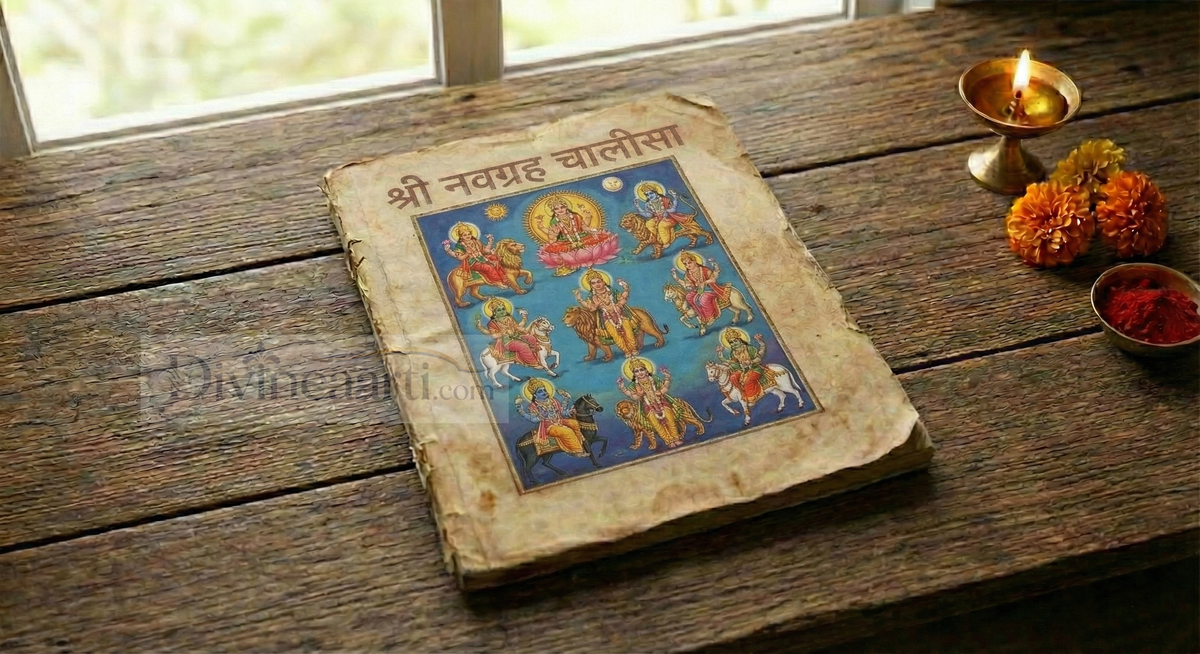
Navagraha Stotram is a comprehensive hymn dedicated to all nine planetary deities (Nava = nine, Graha = planets) of Vedic astrology — Surya (Sun), Chandra (Moon), Mangal (Mars), Budha (Mercury), Guru/Brihaspati (Jupiter), Shukra (Venus), Shani (Saturn), Rahu, and Ketu. This stotram harmonizes the cosmic influences of all nine planets and brings balance to the devotee's astrological chart.
Spiritual Significance of Navagraha Stotram
In Vedic astrology, the nine planets continuously influence every aspect of human life — health, wealth, relationships, career, and spiritual growth. When planetary positions are adverse, they can cause significant challenges. The Navagraha Stotram propitiates all nine celestial deities simultaneously, creating cosmic harmony and minimizing the negative effects of unfavorable planetary transits.
Navagraha Stotram Lyrics
॥ नवग्रह स्तोत्रम् ॥
॥ भगवान सूर्य ॥
जपाकुसुमसंकाशंकाश्यपेयं महाद्युतिम्।

तमोऽरिं सर्वपापघ्नंप्रणतोऽस्मि दिवाकरम्॥1॥

॥ भगवान चन्द्र ॥
दधिशङ्खतुषाराभंक्षीरोदार्णवसंभवम्।

नमामि शशिनं सोमंशम्भोर्मुकुटभूषणम्॥2॥

॥ भगवान मङ्गल ॥
धरणीगर्भसंभूतंविद्युत्कान्तिसमप्रभम्।

कुमारं शक्तिहस्तंतं मङ्गलं प्रणमाम्यहम्॥3॥

॥ भगवान बुध ॥
प्रियङ्गुकलिकाश्यामंरूपेणाप्रतिमं बुधम्।

सौम्यं सौम्यगुणोपेतंतं बुधं प्रणमाम्यहम्॥4॥

॥ भगवान गुरु ॥
देवानां च ऋषीणां चगुरुं काञ्चनसंनिभम्।

बुद्धिभूतं त्रिलोकेशंतं नमामि बृहस्पतिम्॥5॥

॥ भगवान शुक्र ॥
हिमकुन्दमृणालाभंदैत्यानां परमं गुरुम्।

सर्वशास्त्रप्रवक्तारंभार्गवं प्रणमाम्यहम्॥6॥

॥ भगवान शनि ॥
नीलांजनसमाभासंरविपुत्रं यमाग्रजम्।

छायामार्तण्डसंभूतंतं नमामि शनैश्चरम्॥7॥

॥ नवग्रह राहु ॥
अर्धकायं महावीर्यंचन्द्रादित्यविमर्दनम्।

सिंहिकागर्भसंभूतंतं राहुं प्रणमाम्यहम्॥8॥

॥ नवग्रह केतु ॥
पलाशपुष्पसंकाशंतारकाग्रहमस्तकम्।

रौद्रं रौद्रात्मकं घोरंतं केतुं प्रणमाम्यहम्॥9॥

॥ इति श्रीवेदव्यासविरचितम नवग्रहस्तोत्रं सम्पूर्णम् ॥
 ॥ Navagraha Stotram ॥
॥ Lord Surya ॥
JapakusumasamkashamKashyapeyam Mahadyutim।

Tamoarim SarvapapaghnamPranatoasmi Divakaram॥1॥

॥ Lord Chandra ॥
DadhishankhatusharabhamKshirodarnavasambhavam।

Namami Shashinam SomamShambhormukutabhushanam॥2॥

॥ Lord Mangala ॥
DharanigarbhasambhutamVidyutkantisamaprabham।

Kumaram ShaktihastamTam Mangalam Pranamamyaham॥3॥

॥ Lord Budha ॥
PriyangukalikashyamamRupenapratimam Budham।

Saumyam SaumyagunopetamTam Budham Pranamamyaham॥4॥

॥ Lord Guru ॥
Devanam Cha Rishinam ChaGurum Kanchanasamnibham।

Buddhibhutam TrilokeshamTam Namami Brihaspatim॥5॥

॥ Lord Shukra ॥
HimakundamrinalabhamDaityanam Paramam Gurum।

SarvashastrapravaktaramBhargavam Pranamamyaham॥6॥

॥ Lord Shani ॥
NilamjanasamabhasamRaviputram Yamagrajam।

ChhayamartandasambhutamTam Namami Shanaishcharam॥7॥

॥ Navagraha Rahu ॥
Ardhakayam MahaviryamChandradityavimardanam।

SimhikagarbhasambhutamTam Rahum Pranamamyaham॥8॥

॥ Navagraha Ketu ॥
PalashapushpasamkashamTarakagrahamastakam।

Raudram Raudratmakam GhoramTam Ketum Pranamamyaham॥9॥

॥ Iti Shrivedavyasavirachitama Navagrahastotram Sampurnam ॥
Verse-by-Verse Meaning of Navagraha Stotram
1 First Verse — Surya (Sun)
तमोऽरिं सर्वपापघ्नं प्रणतोऽस्मि दिवाकरम्॥
2 Second Verse — Chandra (Moon)
नमामि शशिनं सोमं शम्भोर्मुकुटभूषणम्॥
3 Third Verse — Mangal (Mars)
कुमारं शक्तिहस्तं तं मङ्गलं प्रणमाम्यहम्॥
4 Fourth Verse — Budh (Mercury)
सौम्यं सौम्यगुणोपेतं तं बुधं प्रणमाम्यहम्॥
5 Fifth Verse — Guru/Brihaspati (Jupiter)
बुद्धिभूतं त्रिलोकेशं तं नमामि बृहस्पतिम्॥
6 Sixth Verse — Shukra (Venus)
सर्वशास्त्रप्रवक्तारं भार्गवं प्रणमाम्यहम्॥
7 Seventh Verse — Shani (Saturn)
छायामार्तण्डसंभूतं तं नमामि शनैश्चरम्॥
8 Eighth Verse — Rahu
सिंहिकागर्भसंभूतं तं राहुं प्रणमाम्यहम्॥
9 Ninth Verse — Ketu
रौद्रं रौद्रात्मकं घोरं तं केतुं प्रणमाम्यहम्॥
Spiritual Benefits of Reciting Navagraha Stotram
Spiritual Growth
- Divine Grace: Attracts the special blessings and protection of Navagraha (Nine Planets)
- Inner Peace: Brings tranquility and contentment to the mind
- Positive Energy: Develops an attitude of gratitude and spiritual awareness
- Spiritual Progress: Enhances devotion and deepens spiritual understanding
Material and Worldly Benefits
- Obstacle Removal: Clears impediments from the path of progress
- Success: Enhances success in academic, professional, and personal endeavors
- Protection: Provides divine protection from negative forces and energies
- Family Harmony: Promotes peace and understanding among family members
Health and Well-being
- Mental Clarity: Enhances focus, concentration, and decision-making
- Stress Relief: Reduces anxiety and promotes emotional balance
- Physical Vitality: Supports overall health and well-being
- Karmic Purification: Helps dissolve accumulated negative karma
How to Chant Navagraha Stotram: Complete Guide
Preparation for Chanting
- Personal Cleanliness: Take a bath and wear clean clothes
- Sacred Space: Sit in a clean, quiet place facing east or north
- Deity Image: Place an image or idol of Navagraha (Nine Planets) before you
- Light a Lamp: Light a ghee or sesame oil lamp for auspiciousness
- Mental Preparation: Calm the mind with a few minutes of deep breathing
Step-by-Step Chanting Process
- Invocation: Begin with a brief prayer to Navagraha (Nine Planets)
- Sankalpa: State your intention (spiritual growth, protection, or specific purpose)
- Recitation: Chant the stotram with clear pronunciation and devotional feeling
- Meditation: After chanting, sit quietly and meditate on the deity's form
- Prayer: Offer your heartfelt prayers and express gratitude
Important Guidelines
- Maintain regularity — daily practice yields the best results
- Chant with genuine devotion rather than mere mechanical repetition
- Try to understand the meaning of the verses for deeper spiritual impact
- Maintain a vegetarian diet on days of special devotion
- Share the merit of your practice by praying for the welfare of all beings
Best Times to Recite Navagraha Stotram
Daily Practice
- Early Morning: Brahma Muhurta (4:00 - 6:00 AM) for maximum spiritual benefit
- Evening: During sunset (Sandhya Kaal) for divine blessings
- Before Sleep: For peaceful rest and divine protection through the night
Special Occasions
- Festival Days: During festivals associated with Navagraha (Nine Planets)
- Ekadashi: Auspicious for spiritual practices and vrat observances
- Purnima (Full Moon): Enhanced spiritual energy for meditation and chanting
- Amavasya (New Moon): For removal of negative influences and karmic cleansing
Frequently Asked Questions about Navagraha Stotram
What is the Navagraha Stotram?
The Navagraha Stotram (नवग्रह स्तोत्रम्) is a Vedic hymn that invokes the blessings of the nine celestial bodies (Navagraha) — Surya (Sun), Chandra (Moon), Mangal (Mars), Budha (Mercury), Brihaspati (Jupiter), Shukra (Venus), Shani (Saturn), Rahu, and Ketu. Each verse praises one graha, invoking its positive energy and pacifying its malefic aspects. It is the most important hymn in Vedic astrology (Jyotish) for planetary pacification.
What are the nine planets (Navagraha) described in this stotram?
The nine Grahas are: (1) Surya/Sun — soul, authority, father; (2) Chandra/Moon — mind, emotions, mother; (3) Mangal/Mars — energy, courage, property; (4) Budha/Mercury — intellect, speech, commerce; (5) Brihaspati/Jupiter — wisdom, fortune, guru; (6) Shukra/Venus — love, beauty, luxury; (7) Shani/Saturn — discipline, karma, justice; (8) Rahu — obsession, foreign influence, illusion; (9) Ketu — spirituality, liberation, detachment. Together they govern all aspects of human life.
When should one recite the Navagraha Stotram?
The Navagraha Stotram can be recited daily, but is especially powerful during planetary transits, eclipses, and when facing astrological challenges. Each day is governed by a graha (Sunday=Surya, Monday=Chandra, Tuesday=Mangal, Wednesday=Budha, Thursday=Brihaspati, Friday=Shukra, Saturday=Shani), and the stotram can be recited on the relevant day. It is essential during Graha Shanti pujas and when beginning new ventures.
What are the benefits of the Navagraha Stotram?
Regular recitation pacifies all nine planetary influences, harmonizes their energies in one's life, removes Graha Doshas (planetary afflictions), and attracts the positive blessings of each planet. It is the most comprehensive astrological remedy — rather than addressing one planet at a time, it harmonizes the entire planetary cabinet. Many astrologers prescribe daily Navagraha Stotram recitation as a universal remedy that benefits everyone regardless of their specific chart.
How does the Navagraha Stotram relate to Vedic astrology?
In Vedic astrology (Jyotish Shastra), the nine planets constantly influence human affairs through their positions and movements. Difficult planetary periods (dasha/antardasha), transits (gochar), and birth chart afflictions (dosha) can cause challenges. The Navagraha Stotram is the primary mantric remedy prescribed by Vedic astrologers. Its recitation during specific planetary hours, combined with color remedies, gemstones, and charity, forms the complete Jyotish Upaya (astrological remedy) system.