
Complete Guide to Shani Stotram
Introduction to Shani Stotram
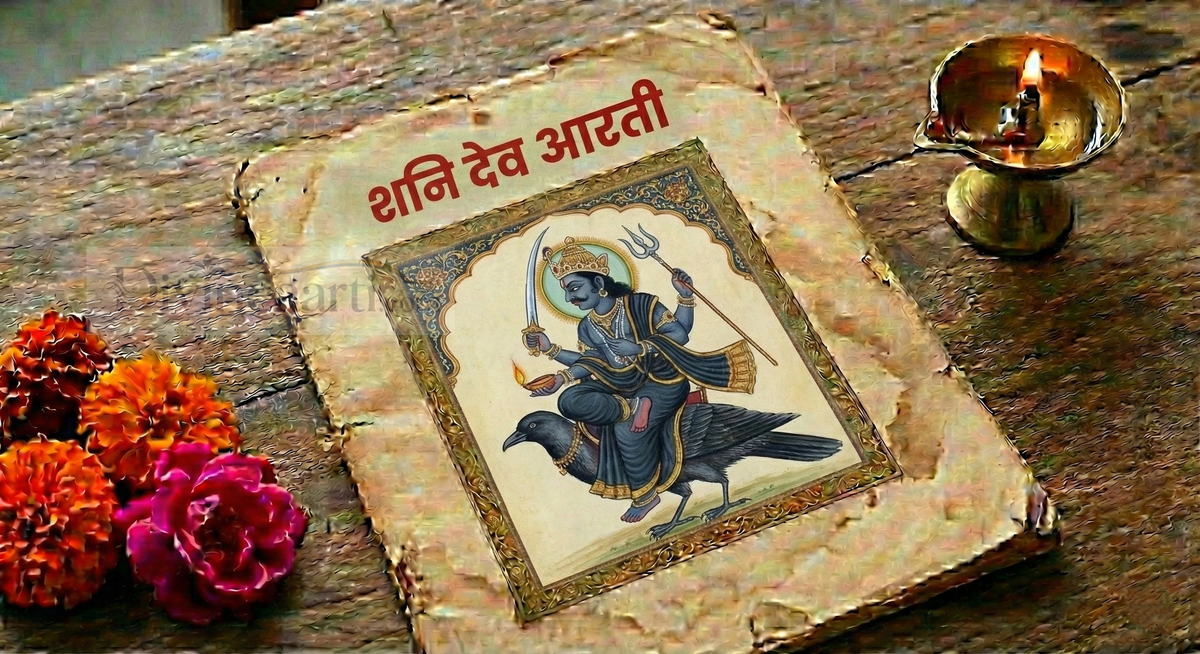
Shani Stotram is a sacred hymn dedicated to Lord Shani (planet Saturn), the divine judge of karma who governs justice, discipline, and spiritual lessons through life's challenges. As the son of Lord Surya (Sun God) and the most feared yet most transformative of the Navagrahas, Shani Dev's worship through this stotram brings relief from planetary afflictions and karmic hardships.
Spiritual Significance of Shani Stotram
Lord Shani is not a malefic force but the supreme teacher of cosmic justice. His influence through periods like Sade Sati and Shani Dasha represents opportunities for spiritual growth through discipline and perseverance. This stotram appeals to Shani's benevolent nature, seeking his grace to reduce suffering while maintaining the spiritual lessons necessary for the soul's evolution.
Shani Stotram Lyrics
 ॥ शनैश्चरस्तोत्रम् ॥
॥ विनियोग ॥
श्रीगणेशाय नमः॥

अस्य श्रीशनैश्चरस्तोत्रस्य। दशरथ ऋषिः॥

शनैश्चरो देवता। त्रिष्टुप् छन्दः॥

शनैश्चरप्रीत्यर्थ जपे विनियोगः॥

॥ दशरथ उवाच ॥
कोणोऽन्तको रौद्रयमोऽथ बभ्रुः कृष्णः शनिः पिङ्गलमन्दसौरिः।

नित्यं स्मृतो यो हरते च पीडां तस्मै नमः श्रीरविनन्दनाय॥1॥

सुरासुराः किंपुरुषोरगेन्द्रा गन्धर्वविद्याधरपन्नगाश्च।

पीड्यन्ति सर्वे विषमस्थितेन तस्मै नमः श्रीरविनन्दनाय॥2॥

नरा नरेन्द्राः पशवो मृगेन्द्रा वन्याश्च ये कीटपतङ्गभृङ्गाः।

पीड्यन्ति सर्वे विषमस्थितेन तस्मै नमः श्रीरविनन्दनाय॥3॥

देशाश्च दुर्गाणि वनानि यत्र सेनानिवेशाः पुरपत्तनानि।

पीड्यन्ति सर्वे विषमस्थितेन तस्मै नमः श्रीरविनन्दनाय॥4॥

तिलैर्यवैर्माषगुडान्नदानैर्लोहेन नीलाम्बरदानतो वा।

प्रीणाति मन्त्रैर्निजवासरे च तस्मै नमः श्रीरविनन्दनाय॥5॥

प्रयागकूले यमुनातटे च सरस्वतीपुण्यजले गुहायाम्।

यो योगिनां ध्यानगतोऽपि सूक्ष्मस्तस्मै नमः श्रीरविनन्दनाय॥6॥

अन्यप्रदेशात्स्वगृहं प्रविष्टस्तदीयवारे स नरः सुखी स्यात्।

गृहाद् गतो यो न पुनः प्रयाति तस्मै नमः श्रीरविनन्दनाय॥7॥

स्रष्टा स्वयंभूर्भुवनत्रयस्य त्राता हरीशो हरते पिनाकी।

एकस्त्रिधा ऋग्यजुःसाममूर्तिस्तस्मै नमः श्रीरविनन्दनाय॥8॥

शन्यष्टकं यः प्रयतः प्रभाते नित्यं सुपुत्रैः पशुबान्धवैश्च।

पठेत्तु सौख्यं भुवि भोगयुक्तः प्राप्नोति निर्वाणपदं तदन्ते॥9॥

कोणस्थः पिङ्गलो बभ्रुः कृष्णो रौद्रोऽन्तको यमः।

सौरिः शनैश्चरो मन्दः पिप्पलादेन संस्तुतः॥10॥

एतानि दश नामानि प्रातरुत्थाय यः पठेत्।

शनैश्चरकृता पीडा न कदाचिद्भविष्यति॥11॥

॥ इति श्रीब्रह्माण्डपुराणे श्रीशनैश्चरस्तोत्रं सम्पूर्णम् ॥
 ॥ Shanaishcharastotram ॥
॥ Viniyoga ॥
Shriganeshaya Namah॥

Asya Shrishanaishcharastotrasya। Dasharatha Rishih॥

Shanaishcharo Devata। Trishtup Chhandah॥

Shanaishcharaprityartha Jape Viniyogah॥

॥ Dasharatha Uvacha ॥
Konoantako Raudrayamoatha Babhruh Krishnah Shanih Pingalamandasaurih।

Nityam Smrito Yo Harate Cha Pidam Tasmai Namah Shriravinandanaya॥1॥

Surasurah Kimpurushoragendra Gandharvavidyadharapannagashcha।

Pidyanti Sarve Vishamasthitena Tasmai Namah Shriravinandanaya॥2॥

Nara Narendrah Pashavo Mrigendra Vanyashcha Ye Kitapatangabhringah।

Pidyanti Sarve Vishamasthitena Tasmai Namah Shriravinandanaya॥3॥

Deshashcha Durgani Vanani Yatra Senaniveshah Purapattanani।

Pidyanti Sarve Vishamasthitena Tasmai Namah Shriravinandanaya॥4॥

Tilairyavairmashagudannadanairlohena Nilambaradanato Va।

Prinati Mantrairnijavasare Cha Tasmai Namah Shriravinandanaya॥5॥

Prayagakule Yamunatate Cha Sarasvatipunyajale Guhayam।

Yo Yoginam Dhyanagatoapi Sukshmastasmai Namah Shriravinandanaya॥6॥

Anyapradeshatsvagriham Pravishtastadiyavare Sa Narah Sukhi Syat।

Grihad Gato Yo Na Punah Prayati Tasmai Namah Shriravinandanaya॥7॥

Srashta Svayambhurbhuvanatrayasya Trata Harisho Harate Pinaki।

Ekastridha Rigyajuhsamamurtistasmai Namah Shriravinandanaya॥8॥

Shanyashtakam Yah Prayatah Prabhate Nityam Suputraih Pashubandhavaishcha।

Pathettu Saukhyam Bhuvi Bhogayuktah Prapnoti Nirvanapadam Tadante॥9॥

Konasthah Pingalo Babhruh Krishno Raudroantako Yamah।

Saurih Shanaishcharo Mandah Pippaladena Samstutah॥10॥

Etani Dasha Namani Pratarutthaya Yah Pathet।

Shanaishcharakrita Pida Na Kadachidbhavishyati॥11॥

॥ Iti Shribrahmandapurane Shrishanaishcharastotram Sampurnam ॥
Verse-by-Verse Meaning of Shani Stotram
1 First Verse
कृष्णः शनिः पिङ्गलमन्दसौरिः।
नित्यं स्मृतो यो हरते च पीडां
तस्मै नमः श्रीरविनन्दनाय॥
2 Second Verse
गन्धर्वविद्याधरपन्नगाश्च।
पीड्यन्ति सर्वे विषमस्थितेन
तस्मै नमः श्रीरविनन्दनाय॥
3 Third Verse
वन्याश्च ये कीटपतङ्गभृङ्गाः।
पीड्यन्ति सर्वे विषमस्थितेन
तस्मै नमः श्रीरविनन्दनाय॥
4 Fourth Verse
सेनानिवेशाः पुरपत्तनानि।
पीड्यन्ति सर्वे विषमस्थितेन
तस्मै नमः श्रीरविनन्दनाय॥
5 Fifth Verse
लोहेन नीलाम्बरदानतो वा।
प्रीणाति मन्त्रैर्निजवासरे च
तस्मै नमः श्रीरविनन्दनाय॥
6 Sixth Verse
सरस्वतीपुण्यजले गुहायाम्।
यो योगिनां ध्यानगतोऽपि सूक्ष्मः
तस्मै नमः श्रीरविनन्दनाय॥
7 Seventh Verse
तदीयवारे स नरः सुखी स्यात्।
गृहाद् गतो यो न पुनः प्रयाति
तस्मै नमः श्रीरविनन्दनाय॥
8 Eighth Verse
त्राता हरीशो हरते पिनाकी।
एकस्त्रिधा ऋग्यजुःसाममूर्तिः
तस्मै नमः श्रीरविनन्दनाय॥
✦ Phala Shruti (Verse 9)
नित्यं सुपुत्रैः पशुबान्धवैश्च।
पठेत्तु सौख्यं भुवि भोगयुक्तः
प्राप्नोति निर्वाणपदं तदन्ते॥
10 Tenth Verse
सौरिः शनैश्चरो मन्दः पिप्पलादेन संस्तुतः॥
✦ Phala Shruti (Verse 11)
शनैश्चरकृता पीडा न कदाचिद्भविष्यति॥
Spiritual Benefits of Reciting Shani Stotram
Spiritual Growth
- Divine Grace: Attracts the special blessings and protection of Lord Shani
- Inner Peace: Brings tranquility and contentment to the mind
- Positive Energy: Develops an attitude of gratitude and spiritual awareness
- Spiritual Progress: Enhances devotion and deepens spiritual understanding
Material and Worldly Benefits
- Obstacle Removal: Clears impediments from the path of progress
- Success: Enhances success in academic, professional, and personal endeavors
- Protection: Provides divine protection from negative forces and energies
- Family Harmony: Promotes peace and understanding among family members
Health and Well-being
- Mental Clarity: Enhances focus, concentration, and decision-making
- Stress Relief: Reduces anxiety and promotes emotional balance
- Physical Vitality: Supports overall health and well-being
- Karmic Purification: Helps dissolve accumulated negative karma
How to Chant Shani Stotram: Complete Guide
Preparation for Chanting
- Personal Cleanliness: Take a bath and wear clean clothes
- Sacred Space: Sit in a clean, quiet place facing east or north
- Deity Image: Place an image or idol of Lord Shani before you
- Light a Lamp: Light a ghee or sesame oil lamp for auspiciousness
- Mental Preparation: Calm the mind with a few minutes of deep breathing
Step-by-Step Chanting Process
- Invocation: Begin with a brief prayer to Lord Shani
- Sankalpa: State your intention (spiritual growth, protection, or specific purpose)
- Recitation: Chant the stotram with clear pronunciation and devotional feeling
- Meditation: After chanting, sit quietly and meditate on the deity's form
- Prayer: Offer your heartfelt prayers and express gratitude
Important Guidelines
- Maintain regularity — daily practice yields the best results
- Chant with genuine devotion rather than mere mechanical repetition
- Try to understand the meaning of the verses for deeper spiritual impact
- Maintain a vegetarian diet on days of special devotion
- Share the merit of your practice by praying for the welfare of all beings
Best Times to Recite Shani Stotram
Daily Practice
- Early Morning: Brahma Muhurta (4:00 - 6:00 AM) for maximum spiritual benefit
- Evening: During sunset (Sandhya Kaal) for divine blessings
- Before Sleep: For peaceful rest and divine protection through the night
Special Occasions
- Festival Days: During festivals associated with Lord Shani
- Ekadashi: Auspicious for spiritual practices and vrat observances
- Purnima (Full Moon): Enhanced spiritual energy for meditation and chanting
- Amavasya (New Moon): For removal of negative influences and karmic cleansing
Frequently Asked Questions about Shani Stotram
What is the Shani Stotram?
The Shani Stotram (शनि स्तोत्रम्) is a sacred hymn dedicated to Lord Shani (Saturn) — the most feared yet most misunderstood of the nine planets (Navagraha). This stotram invokes Shani Dev's blessings for justice, karmic purification, and the transformation of Saturn's energy from punitive to protective. When properly worshipped, Shani becomes the greatest benefactor, granting discipline, longevity, wisdom, and the ultimate spiritual transformation.
Who is Shani Dev?
Shani Dev is the son of Surya (Sun God) and Chhaya (Shadow), and the brother of Yama (God of Death). He is the divine judge of karma — rewarding the righteous and punishing the sinful. His slow movement (taking 2.5 years per zodiac sign) creates extended periods of karmic testing called Sade Sati (7.5 years) and Dhaiya (2.5 years). Despite his fearsome reputation, Shani is actually the greatest teacher — his challenges force spiritual growth and burn away accumulated negative karma.
When should one recite the Shani Stotram?
The Shani Stotram is most powerful on Saturdays (Shani's day), during Shani Hora (Saturn hour), during Shani Jayanti, on Shani Amavasya, and throughout the Sade Sati period (7.5-year Saturn transit). It is especially recommended when Saturn is transiting difficult houses in one's chart, during Shani Dasha/Antardasha, and on every Saturday evening while lighting a sesame oil lamp. Continuous recitation during Sade Sati is the most effective Saturn remedy.
What are the benefits of reciting the Shani Stotram?
Regular recitation transforms Saturn's energy from punitive to protective. It reduces the severity of Sade Sati, prevents accidents and chronic diseases (Saturn-related), removes obstacles in career, grants discipline and perseverance, ensures justice in legal matters, and accelerates karmic purification. Satisfied Shani becomes the greatest benefactor — granting longevity, property, wealth, spiritual wisdom, and ultimate liberation.
How should one worship Shani Dev?
Shani worship includes: reciting Shani Stotram on Saturdays, lighting a sesame oil lamp, donating black items (black sesame, iron, black cloth, mustard oil) to the needy, feeding crows (Shani's vahana), wearing blue sapphire or iron ring (after consultation with an astrologer), and visiting Shani temples. The most important worship principle is practicing honesty, discipline, and service to the poor — Shani rewards righteous conduct above all ritualistic worship.