
Complete Guide to Shri Lakshminarasimha Stotram
Introduction to Shri Lakshminarasimha Stotram
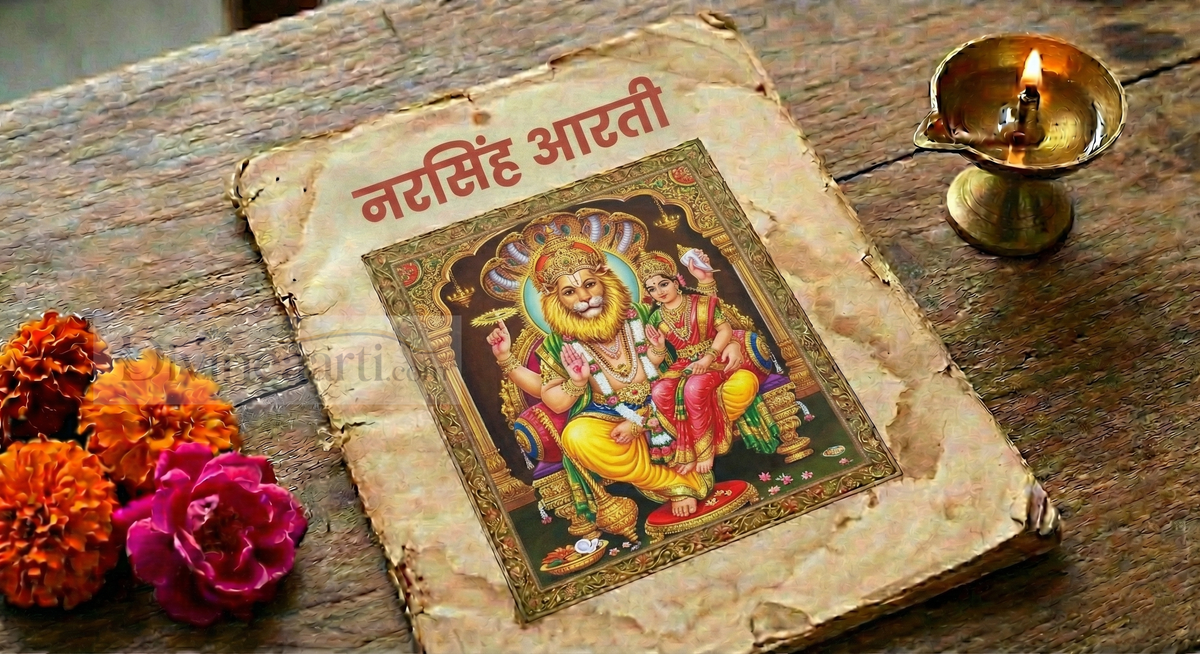
Shri Lakshminarasimha Stotram is a powerful hymn dedicated to Lord Narasimha (the man-lion incarnation of Vishnu) accompanied by Goddess Lakshmi seated on his lap. This stotram celebrates the unique combination of Narasimha's fierce protective power with Lakshmi's gentle grace, representing the perfect balance of divine wrath against evil and compassionate love for devotees.
Spiritual Significance of Shri Lakshminarasimha Stotram
Lakshminarasimha represents the divine principle that supreme power (Narasimha) is always tempered by supreme grace (Lakshmi). After destroying the demon Hiranyakashipu, Narasimha's fierce fury was calmed only by Lakshmi's gentle touch. This stotram invokes both aspects — fierce protection from enemies and gentle bestowal of prosperity and peace.
Shri Lakshminarasimha Stotram Lyrics
 ॥ श्री लक्ष्मीनृसिंह स्तोत्रम् ॥
श्रीमत्पयोनिधिनिकेतन चक्रपाणेभोगीन्द्रभोगमणिरञ्जितपुण्यमूर्ते।

योगीश शाश्वत शरण्य भवाब्धिपोतलक्ष्मीनृसिंह मम देहि करावलम्बम्॥1॥

ब्रह्मेन्द्ररुद्रमरुदर्ककिरीटकोटिसङ्घट्टिताङ्घ्रिकमलामलकान्तिकान्त।

लक्ष्मीलसत्कुचसरोरुहराजहंसलक्ष्मीनृसिंह मम देहि करावलम्बम्॥2॥

संसारघोरगहने चरतो मुरारेमारोग्रभीकरमृगप्रचुरार्दितस्य।

आर्तस्य मत्सरनिदाघनिपीडितस्यलक्ष्मीनृसिंह मम देहि करावलम्बम्॥3॥

संसारकूपमतिघोरमगाधमूलंसम्प्राप्य दुःखशतसर्पसमाकुलस्य।

दीनस्य देव कृपणापदमागतस्यलक्ष्मीनृसिंह मम देहि करावलम्बम्॥4॥

संसारसागरविशालकरालकालनक्रग्रहग्रसननिग्रहविग्रहस्य।

व्यग्रस्य रागनिचयोर्मिनिपीडितस्यलक्ष्मीनृसिंह मम देहि करावलम्बम्॥5॥

संसारवृक्षमघबीजमनन्तकर्मशाखाशतं करणपत्रमनङ्गपुष्पम्।

आरुह्य दुःखफलिनं पततो दयालोलक्ष्मीनृसिंह मम देहि करावलम्बम्॥6॥

संसारसर्पघनवक्त्रभयोग्रतीव्रदंष्ट्राकरालविषदग्धविनष्टमूर्तेः।

नागारिवाहन सुधाब्धिनिवास शौरेलक्ष्मीनृसिंह मम देहि करावलम्बम्॥7॥

संसारदावदहनातुरभीकरोरुज्वालावलीभिरतिदग्धतनूरुहस्य।

त्वत्पादपद्मसरसीशरणागतस्यलक्ष्मीनृसिंह मम देहि करावलम्बम्॥8॥

संसारजालपतितस्य जगन्निवाससर्वेन्द्रियार्तबडिशार्थझषोपमस्य।

प्रोत्खण्डितप्रचुरतालुकमस्तकस्यलक्ष्मीनृसिंह मम देहि करावलम्बम्॥9॥

संसारभीकरकरीन्द्रकराभिघातनिष्पिष्टमर्मवपुषः सकलार्तिनाश।

प्राणप्रयाणभवभीतिसमाकुलस्यलक्ष्मीनृसिंह मम देहि करावलम्बम्॥10॥

अन्धस्य मे हृतविवेकमहाधनस्यचोरैः प्रभो बलिभिरिन्द्रियनामधेयैः।

मोहान्धकूपकुहरे विनिपातितस्यलक्ष्मीनृसिंह मम देहि करावलम्बम्॥11॥

लक्ष्मीपते कमलनाभ सुरेश विष्णोवैकुण्ठ कृष्ण मधुसूदन पुष्कराक्ष।

ब्रह्मण्य केशव जनार्दन वासुदेवदेवेश देहि कृपणस्य करावलम्बम्॥12॥

यन्माययोर्जितवपुः प्रचुरप्रवाहमग्नार्थमत्र निवहोरुकरावलम्बम्।

लक्ष्मीनृसिंहचरणाब्जमधुव्रतेनस्तोत्रं कृतं सुखकरं भुवि शङ्करेण॥13॥

॥ इति श्रीमच्छङ्कराचार्यकृतं श्रीलक्ष्मीनृसिंहस्तोत्रं सम्पूर्णम्। ॥
 ॥ Shri Lakshminrisimha Stotram ॥
Shrimatpayonidhiniketana ChakrapaneBhogindrabhogamaniranjitapunyamurte।

Yogisha Shashvata Sharanya BhavabdhipotaLakshminrisimha Mama Dehi Karavalambam॥1॥

BrahmendrarudramarudarkakiritakotiSanghattitanghrikamalamalakantikanta।

LakshmilasatkuchasaroruharajahamsaLakshminrisimha Mama Dehi Karavalambam॥2॥

Samsaraghoragahane Charato MurareMarograbhikaramrigaprachurarditasya।

Artasya MatsaranidaghanipiditasyaLakshminrisimha Mama Dehi Karavalambam॥3॥

SamsarakupamatighoramagadhamulamSamprapya Duhkhashatasarpasamakulasya।

Dinasya Deva KripanapadamagatasyaLakshminrisimha Mama Dehi Karavalambam॥4॥

SamsarasagaravishalakaralakalaNakragrahagrasananigrahavigrahasya।

Vyagrasya RaganichayorminipiditasyaLakshminrisimha Mama Dehi Karavalambam॥5॥

SamsaravrikshamaghabijamanantakarmaShakhashatam Karanapatramanangapushpam।

Aruhya Duhkhaphalinam Patato DayaloLakshminrisimha Mama Dehi Karavalambam॥6॥

SamsarasarpaghanavaktrabhayogrativraDamshtrakaralavishadagdhavinashtamurteh।

Nagarivahana Sudhabdhinivasa ShaureLakshminrisimha Mama Dehi Karavalambam॥7॥

SamsaradavadahanaturabhikaroruJvalavalibhiratidagdhatanuruhasya।

TvatpadapadmasarasisharanagatasyaLakshminrisimha Mama Dehi Karavalambam॥8॥

Samsarajalapatitasya JagannivasaSarvendriyartabadisharthajhashopamasya।

ProtkhanditaprachuratalukamastakasyaLakshminrisimha Mama Dehi Karavalambam॥9॥

SamsarabhikarakarindrakarabhighataNishpishtamarmavapushah Sakalartinasha।

PranaprayanabhavabhitisamakulasyaLakshminrisimha Mama Dehi Karavalambam॥10॥

Andhasya Me HritavivekamahadhanasyaChoraih Prabho Balibhirindriyanamadheyaih।

Mohandhakupakuhare VinipatitasyaLakshminrisimha Mama Dehi Karavalambam॥11॥

Lakshmipate Kamalanabha Suresha VishnoVaikuntha Krishna Madhusudana Pushkaraksha।

Brahmanya Keshava Janardana VasudevaDevesha Dehi Kripanasya Karavalambam॥12॥

Yanmayayorjitavapuh PrachurapravahaMagnarthamatra Nivahorukaravalambam।

LakshminrisimhacharanabjamadhuvratenaStotram Kritam Sukhakaram Bhuvi Shankarena॥13॥

॥ Iti Shrimachchhankaracharyakritam Shrilakshminrisimhastotram Sampurnam। ॥
Verse-by-Verse Meaning of Shri Lakshminarasimha Karavalamba Stotram
1 First Verse
भोगीन्द्रभोगमणिरञ्जितपुण्यमूर्ते।
योगीश शाश्वत शरण्य भवाब्धिपोत
लक्ष्मीनृसिंह मम देहि करावलम्बम्॥
2 Second Verse
सङ्घट्टिताङ्घ्रिकमलामलकान्तिकान्त।
लक्ष्मीलसत्कुचसरोरुहराजहंस
लक्ष्मीनृसिंह मम देहि करावलम्बम्॥
3 Third Verse
मारोग्रभीकरमृगप्रचुरार्दितस्य।
आर्तस्य मत्सरनिदाघनिपीडितस्य
लक्ष्मीनृसिंह मम देहि करावलम्बम्॥
4 Fourth Verse
सम्प्राप्य दुःखशतसर्पसमाकुलस्य।
दीनस्य देव कृपणापदमागतस्य
लक्ष्मीनृसिंह मम देहि करावलम्बम्॥
5 Fifth Verse
नक्रग्रहग्रसननिग्रहविग्रहस्य।
व्यग्रस्य रागनिचयोर्मिनिपीडितस्य
लक्ष्मीनृसिंह मम देहि करावलम्बम्॥
6 Sixth Verse
शाखाशतं करणपत्रमनङ्गपुष्पम्।
आरुह्य दुःखफलिनं पततो दयालो
लक्ष्मीनृसिंह मम देहि करावलम्बम्॥
7 Seventh Verse
दंष्ट्राकरालविषदग्धविनष्टमूर्तेः।
नागारिवाहन सुधाब्धिनिवास शौरे
लक्ष्मीनृसिंह मम देहि करावलम्बम्॥
8 Eighth Verse
ज्वालावलीभिरतिदग्धतनूरुहस्य।
त्वत्पादपद्मसरसीशरणागतस्य
लक्ष्मीनृसिंह मम देहि करावलम्बम्॥
9 Ninth Verse
सर्वेन्द्रियार्तबडिशार्थझषोपमस्य।
प्रोत्खण्डितप्रचुरतालुकमस्तकस्य
लक्ष्मीनृसिंह मम देहि करावलम्बम्॥
10 Tenth Verse
निष्पिष्टमर्मवपुषः सकलार्तिनाश।
प्राणप्रयाणभवभीतिसमाकुलस्य
लक्ष्मीनृसिंह मम देहि करावलम्बम्॥
11 Eleventh Verse
चोरैः प्रभो बलिभिरिन्द्रियनामधेयैः।
मोहान्धकूपकुहरे विनिपातितस्य
लक्ष्मीनृसिंह मम देहि करावलम्बम्॥
12 Twelfth Verse — Invocation of Divine Names
वैकुण्ठ कृष्ण मधुसूदन पुष्कराक्ष।
ब्रह्मण्य केशव जनार्दन वासुदेव
देवेश देहि कृपणस्य करावलम्बम्॥
✦ Phala Shruti (Verse 13)
मग्नार्थमत्र निवहोरुकरावलम्बम्।
लक्ष्मीनृसिंहचरणाब्जमधुव्रतेन
स्तोत्रं कृतं सुखकरं भुवि शङ्करेण॥
Spiritual Benefits of Reciting Shri Lakshminarasimha Stotram
Spiritual Growth
- Divine Grace: Attracts the special blessings and protection of Lord Narasimha
- Inner Peace: Brings tranquility and contentment to the mind
- Positive Energy: Develops an attitude of gratitude and spiritual awareness
- Spiritual Progress: Enhances devotion and deepens spiritual understanding
Material and Worldly Benefits
- Obstacle Removal: Clears impediments from the path of progress
- Success: Enhances success in academic, professional, and personal endeavors
- Protection: Provides divine protection from negative forces and energies
- Family Harmony: Promotes peace and understanding among family members
Health and Well-being
- Mental Clarity: Enhances focus, concentration, and decision-making
- Stress Relief: Reduces anxiety and promotes emotional balance
- Physical Vitality: Supports overall health and well-being
- Karmic Purification: Helps dissolve accumulated negative karma
How to Chant Shri Lakshminarasimha Stotram: Complete Guide
Preparation for Chanting
- Personal Cleanliness: Take a bath and wear clean clothes
- Sacred Space: Sit in a clean, quiet place facing east or north
- Deity Image: Place an image or idol of Lord Narasimha before you
- Light a Lamp: Light a ghee or sesame oil lamp for auspiciousness
- Mental Preparation: Calm the mind with a few minutes of deep breathing
Step-by-Step Chanting Process
- Invocation: Begin with a brief prayer to Lord Narasimha
- Sankalpa: State your intention (spiritual growth, protection, or specific purpose)
- Recitation: Chant the stotram with clear pronunciation and devotional feeling
- Meditation: After chanting, sit quietly and meditate on the deity's form
- Prayer: Offer your heartfelt prayers and express gratitude
Important Guidelines
- Maintain regularity — daily practice yields the best results
- Chant with genuine devotion rather than mere mechanical repetition
- Try to understand the meaning of the verses for deeper spiritual impact
- Maintain a vegetarian diet on days of special devotion
- Share the merit of your practice by praying for the welfare of all beings
Best Times to Recite Shri Lakshminarasimha Stotram
Daily Practice
- Early Morning: Brahma Muhurta (4:00 - 6:00 AM) for maximum spiritual benefit
- Evening: During sunset (Sandhya Kaal) for divine blessings
- Before Sleep: For peaceful rest and divine protection through the night
Special Occasions
- Festival Days: During festivals associated with Lord Narasimha
- Ekadashi: Auspicious for spiritual practices and vrat observances
- Purnima (Full Moon): Enhanced spiritual energy for meditation and chanting
- Amavasya (New Moon): For removal of negative influences and karmic cleansing
Frequently Asked Questions about Lakshminarasimha Stotram
What is the Lakshminarasimha Stotram?
The Lakshminarasimha Stotram (लक्ष्मीनृसिंह स्तोत्रम्) is a devotional hymn that glorifies Lord Narasimha (the Man-Lion avatar of Vishnu) along with His consort Goddess Lakshmi. This combined form — Lakshmi seated on the lap of the fierce Narasimha — represents the perfect union of supreme power with supreme compassion. The stotram invokes this divine couple for protection, prosperity, and the removal of all fears.
Who is Lord Narasimha?
Lord Narasimha (नृसिंह) is the fourth avatar of Lord Vishnu who manifested as half-man (Nara), half-lion (Simha) to destroy the demon Hiranyakashipu and protect his devotee Prahlada. He emerged from a pillar at twilight — neither day nor night, neither inside nor outside — fulfilling the conditions of Brahma's boon to the demon while breaking none of them. He represents God's fierce protective love for His devotees and His creative ingenuity in upholding dharma.
What is the significance of the Lakshminarasimha form?
After killing Hiranyakashipu, Narasimha's ferocious anger was so intense that even the gods trembled. It was Goddess Lakshmi who approached and sat on His lap, pacifying His rage with her gentle presence. The Lakshminarasimha form thus represents the balance of fierce protective power (Narasimha) with gentle compassion and prosperity (Lakshmi). This form assures devotees that divine fury is always tempered by divine grace.
When should one chant the Lakshminarasimha Stotram?
The most auspicious occasions are Narasimha Jayanti (Chaturdashi of Vaishakha Shukla Paksha), Saturdays (associated with protection from negative energies), Ekadashi, and during times of fear or danger. It is particularly powerful during the evening twilight (Sandhya Kala), as Narasimha appeared at this time. Many devotees recite it daily for protection from enemies, evil eyes, and supernatural threats.
What are the benefits of the Lakshminarasimha Stotram?
This stotram provides the combined blessings of fierce protection (Narasimha) and abundant prosperity (Lakshmi). It destroys enemies, removes fears, protects from evil influences and black magic, cures diseases, and simultaneously attracts wealth and auspiciousness. It is one of the most potent prayers for those facing threats from powerful adversaries, legal issues, or hostile situations while also seeking prosperity and family welfare.